

EMI Suppression Basics: Why Ferrite Cores Matter in Modern Electronics
As electronics become smaller, faster, and more densely packed, electromagnetic interference (EMI) has evolved from a regulatory checkbox into a primary design constraint. Ferrite cores are among the most cost-effective and versatile tools for tackling EMI at the component level.
What Ferrite Cores Do in EMI Applications
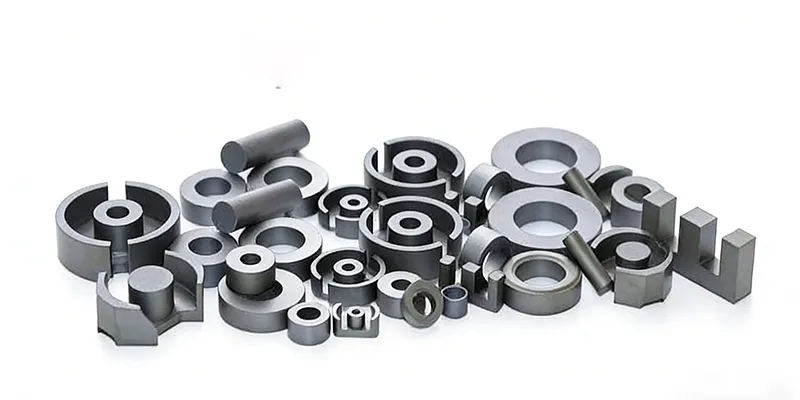
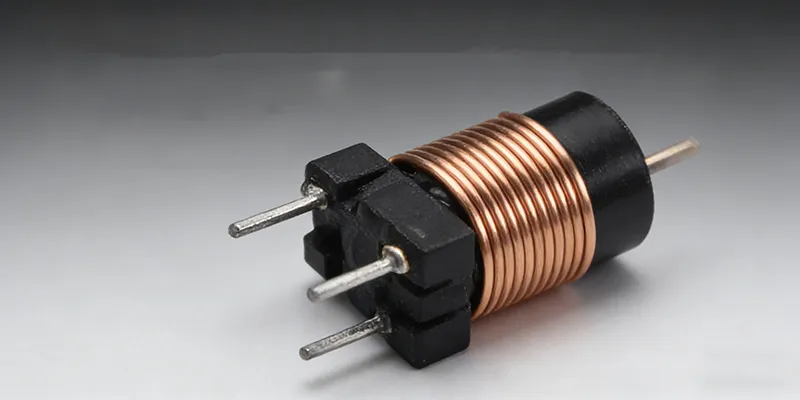
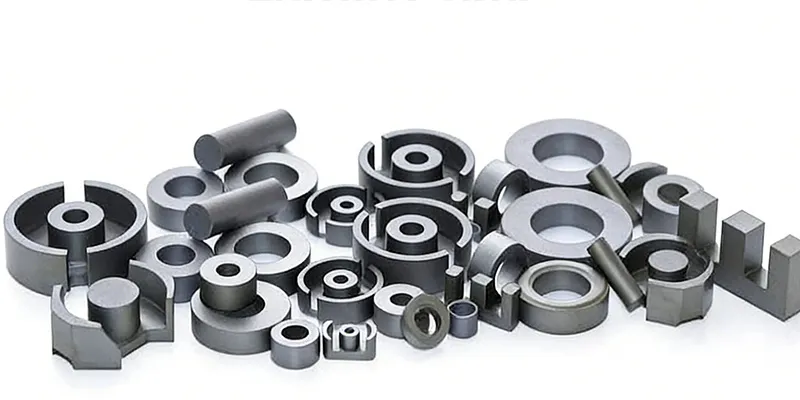
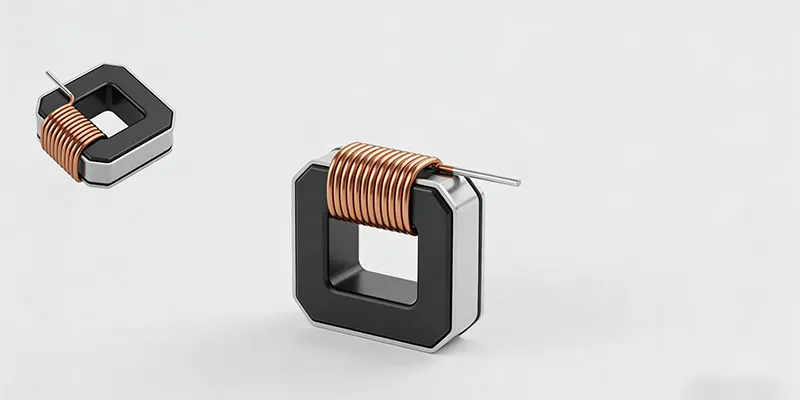
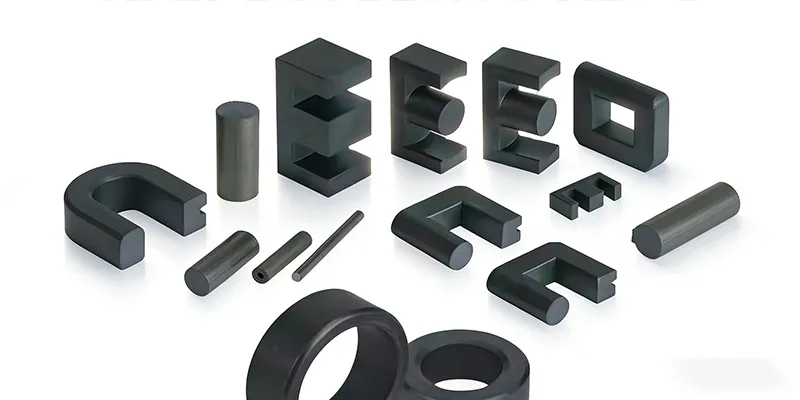
In EMI suppression roles, ferrite cores work primarily through their impedance characteristics. When a conductor passes through or is wound around a ferrite core, the ferrite adds both resistive and reactive impedance to the line — converting high-frequency noise energy into heat rather than allowing it to radiate or conduct to sensitive circuits.
The key distinction: ferrite beads are most effective as absorptive filters. Unlike LC resonant filters, they dissipate noise energy internally rather than reflecting it back toward the source.
Ferrite Bead vs. Multilayer Ferrite Bead
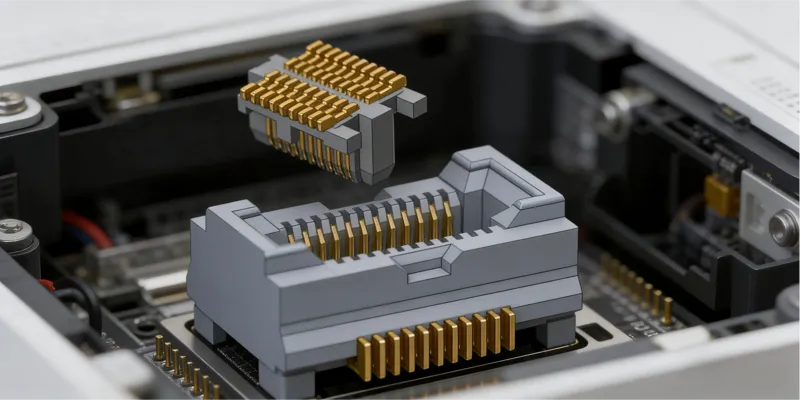
Through-hole ferrite beads offer higher current handling and are suitable for power supply rails. Multilayer ferrite beads (MLFB) are compact, surface-mount devices designed for signal line filtering where space is at a premium. For USB, HDMI, and automotive Ethernet channels, MLFBs are the standard solution.
Selecting the Right EMI Ferrite
Three parameters drive ferrite selection for EMI:
- Impedance at target frequency: Datasheets typically list impedance at 100 MHz. For USB 2.0 (480 Mbps), you need good suppression in the 30–300 MHz range.
- DC resistance: For power rails, excessive DCR drops voltage. For signal lines, DCR matters less.
- Rated current: Ferrite impedance decreases under DC bias. Always verify performance under actual operating current, not just zero-bias conditions.
Common Placement Strategies
Source termination: Place ferrite cores near the noise source — at the switching element of a DC-DC converter, for example. This prevents noise from entering the distribution network.
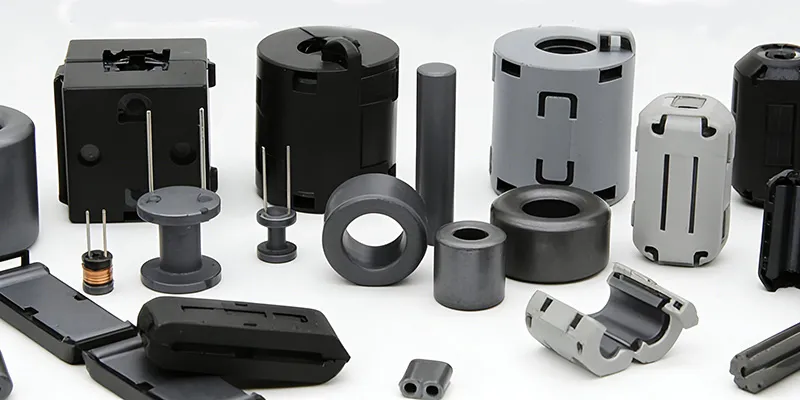
Shielded cable ferrites: Snap-on or clip-on ferrite cores on external cables (USB, Ethernet, automotive sensor leads) suppress conducted emissions that would otherwise escape via the cable as an antenna.
Signal line filtering: Series ferrite beads on high-speed data lines (USB, MIPI, automotive Ethernet) flatten the impedance trajectory and dampen reflections that cause EMI.
Automotive EMI Requirements
Automotive electronics operate in an electrically noisy environment — ignition systems, traction motor inverters, and radio transmitters all impose stringent EMI requirements. Ferrite components used in automotive applications must typically meet AEC-Q200 qualification, and ferrite selection must account for the extended temperature range (-40°C to +125°C or higher) of the vehicle environment.
Conclusion
Ferrite cores are a deceptively simple EMI solution. Their effectiveness depends heavily on correct application — frequency range matching, DC bias consideration, and proper placement. When specified correctly, they provide broadband noise suppression without the resonance risks of reactive filtering approaches.
Shenzhen Gaorunxin Technology Co., Ltd