

Exploring the "Heart" of Modern Electronics: Into the World of TOMITA Ferrite Cores
In the relentless surge of electronic evolution, where miniaturization and high-performance metrics converge, a singular material remains an unsung yet pivotal protagonist: the Ferrite Core. As a vanguard in the global magnetic materials sector, the Japanese manufacturer TOMITA leverages sophisticated sintering methodologies and material science to provide the essential pulse for contemporary electronic architecture.
1. Defining the Ferrite Core: The Essence of High-Frequency Efficiency
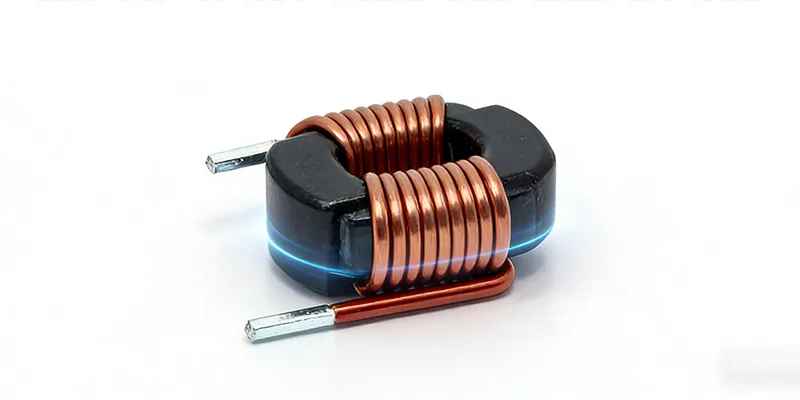
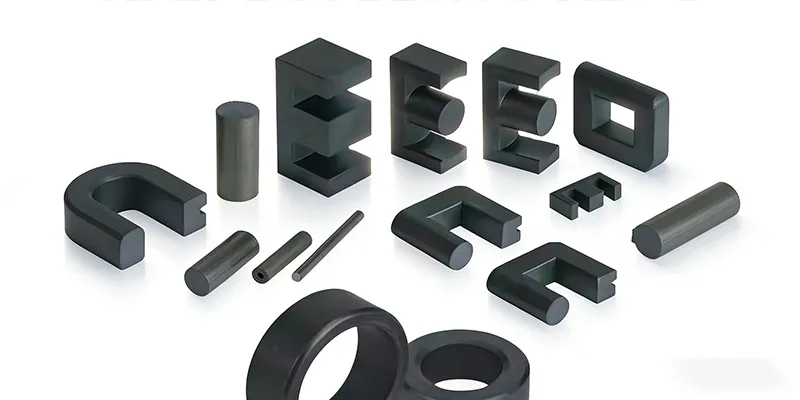
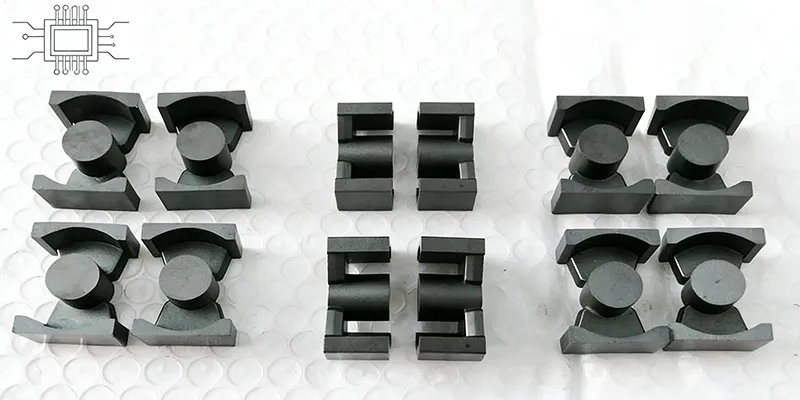
A ferrite core is an intricate ceramic compound, meticulously synthesized from metallic oxides through a process of high-temperature calcination. Unlike traditional metallic magnetic substrates, ferrite possesses a transformative attribute: astounding electrical resistivity. This intrinsic resistance is the primary bulwark against the deleterious effects of eddy current losses in high-frequency environments.
By stifling these energy dissipations, ferrite cores emerge as the quintessential medium for inductors, transformers, and multifaceted filtering apparatuses. They allow for the seamless transmission of signals while maintaining thermal stability, acting as the silent filter through which pure electronic power flows.
2. The TOMITA Edge: Engineering Beyond Boundaries
As the trajectory of electronic design moves toward increasingly diaphanous and compact form factors, TOMITA ferrite cores have ascended as the gold standard for core components. Their competitive advantage is predicated on three pillars of excellence:
Diversified Material Ecosystems: TOMITA offers a sophisticated spectrum of material grades encompassing both Mn-Zn (Manganese-Zinc) and Ni-Zn (Nickel-Zinc) taxonomies. For instance, their 2H5 material exhibits a remarkable initial permeability (μac reaching 3700), while the 6D8 grade demonstrates peerless performance across expansive high-frequency bandwidths.
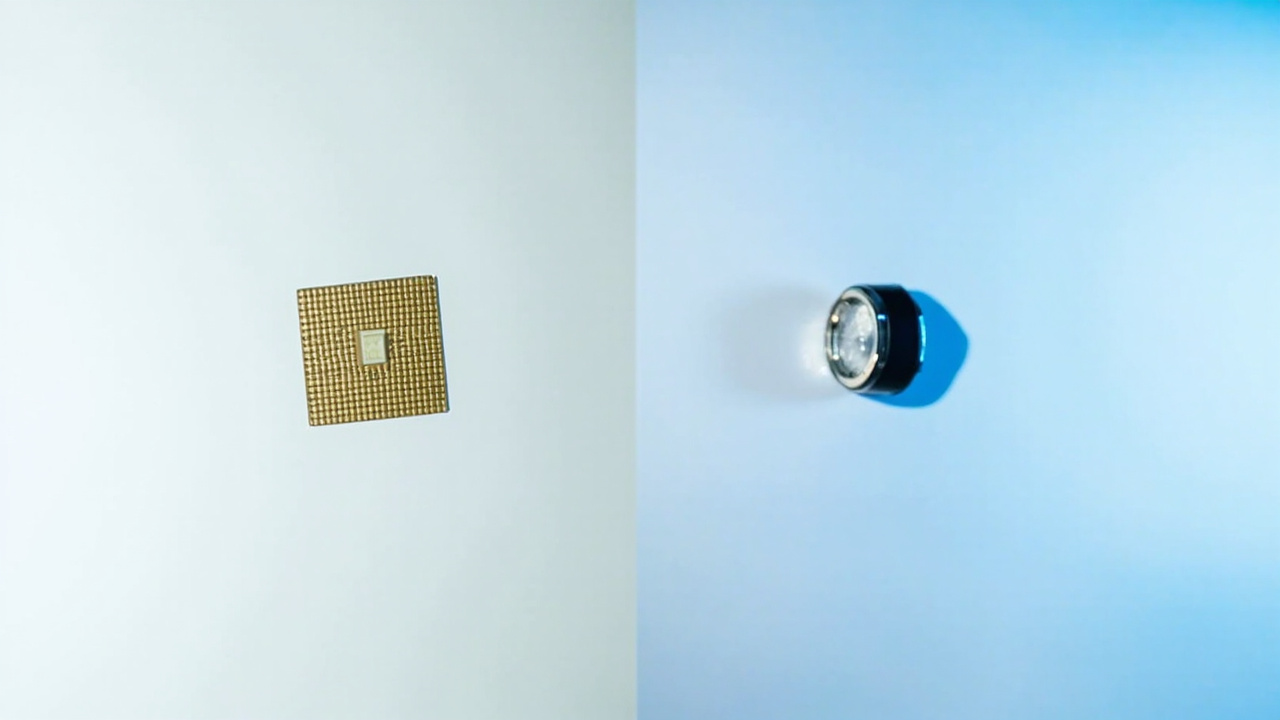
Pioneering Miniaturization Technology: The demand for spatial economy in smartphones and wearable biometrics is insatiable. TOMITA meets this challenge with precision-engineered PC-type cores, scaling down to dimensions as diminutive as PC-1.8X1.0. This microscopic mastery enables engineers to pack immense processing power into vanishingly small footprints.
Rigorous Metrological Standards: Reliability is not left to chance. Every material parameter is rigorously validated against the JIS-C2561 standard (General rules of ferrite cores). This adherence to empirical consistency ensures that every batch meets the stringent expectations of global hardware developers.
3. A Spectrum of Versatility: Ubiquitous Applications
From the cold efficiency of industrial automation to the vibrant world of consumer tech, TOMITA’s influence is pervasive. Their solutions address the most demanding logistical and electrical challenges of the decade:
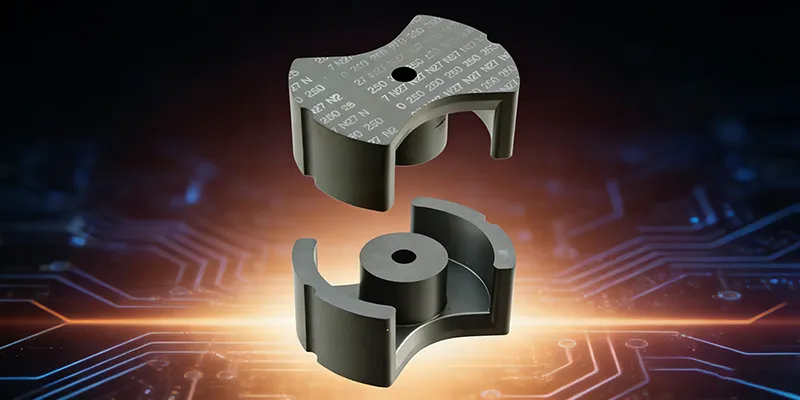
Power Conversion: In the realm of switched-mode power supplies (SMPS), TOMITA cores serve as the foundational architecture for transformers, significantly augmenting energy efficiency and reducing thermal signatures.
Industrial Sensing: Specifically within the niche of proximity sensors, TOMITA provides a comprehensive catalog of OT-type cores. Furthermore, their sophisticated coil-winding OEM services position them not merely as a supplier, but as a holistic "magnetic component artisan."
Automotive Electronics: The transition toward New Energy Vehicles (NEVs) requires components that can withstand harsh electromagnetic interference. Backed by the IATF 16949 automotive quality certification, TOMITA products are rapidly integrating into the electronic control units (ECUs) of next-generation electric fleets.
4. Epilogue: Forging the Future of Magnetics
The latest 2024 TOMITA compendium is far more than a mere product directory; it is a manifestation of the current zeitgeist in magnetic material science. By perpetually refining chemical formulations and mechanical processing techniques, TOMITA empowers engineers to transcend conventional design constraints.
As we look toward an era of ubiquitous connectivity and sustainable energy, the "heart" provided by TOMITA remains steadfast, building a more resilient and efficient foundation for the global electronic industry.
Shenzhen Gaorunxin Technology Co., Ltd