

Winding Independence: A Deep Dive into TOMITA’s Original Processing Services
Winding Independence: A Deep Dive into TOMITA’s Original Processing Services
In the nuanced architecture of magnetic component design, a common engineering adage prevails: “Acquiring the core is a trifle; mastering the coil is a triumph.” As contemporary demands for high efficiency and radical miniaturization intensify, the caliber of the winding process has become the ultimate arbiter of performance. TOMITA transcends the role of a mere substrate supplier; it is a premier “Magnetic Component Solution Architect.”
The following analysis delineates the quintessential value of TOMITA’s vertical integration of magnetic cores and professional winding.
1. Surmounting the “Digital Dexterity” Barrier in Miniaturization
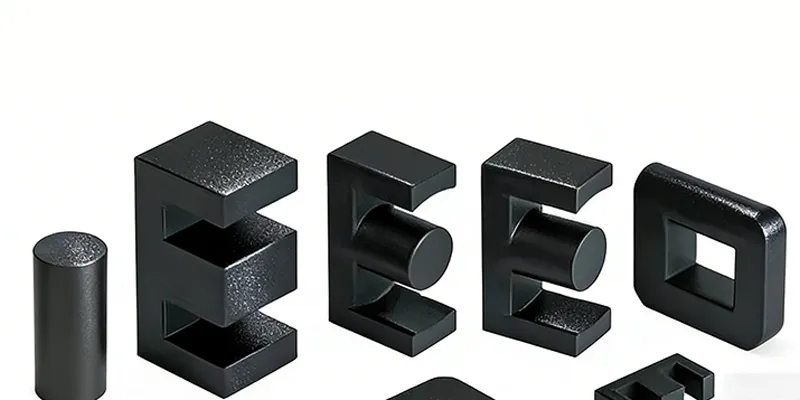
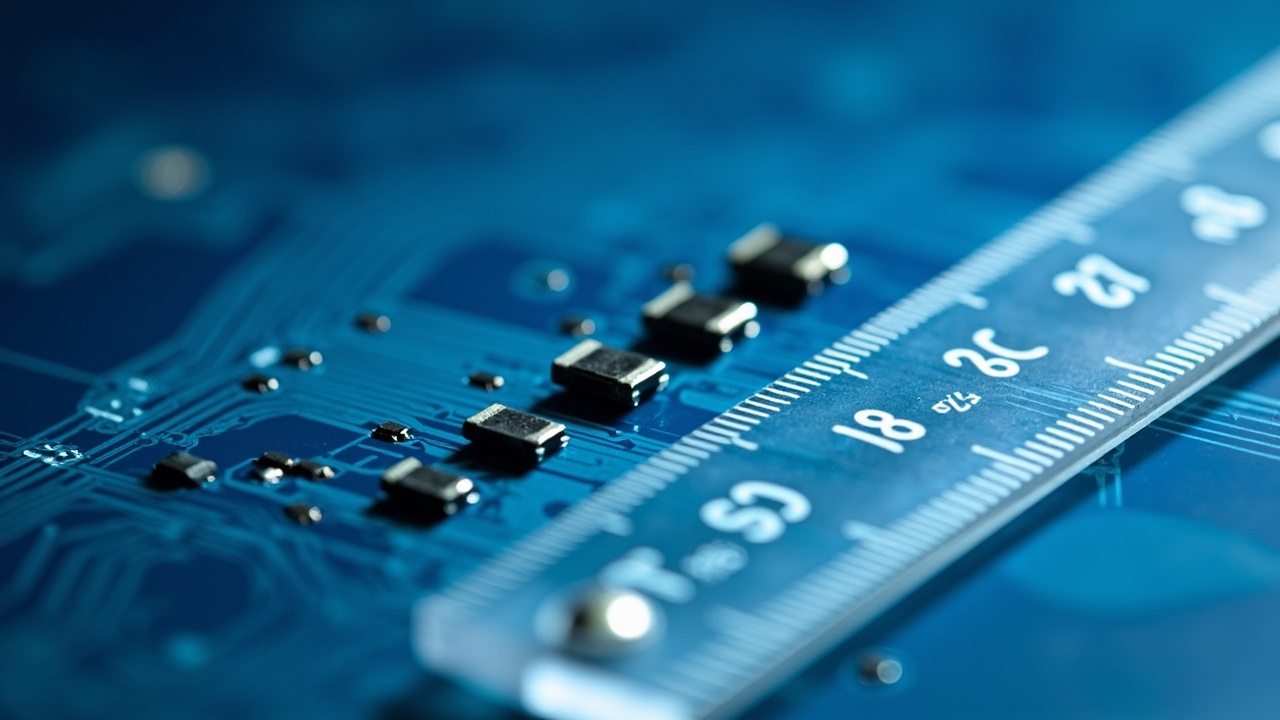
As the spatial footprint of the TOMITA PC Series continues its relentless atrophy—evidenced by the microscopic PC-1.8X1.0—manual winding has transitioned from a labor-intensive task to a physical impossibility.
The Precision Impasse: Orchestrating hair-thin enameled wire onto a core with a diameter of less than 2mm invites a myriad of defects: uneven pitch, parasitic layer overlapping, and deleterious insulation film abrasion.
The TOMITA Advantage: Leveraging automated, ultra-precision winding apparatuses at the Tottori headquarters and Zhuhai facility, TOMITA ensures every convolution is positioned with mathematical exactitude. This automation does not merely mitigate labor expenditure; it guarantees a profound uniformity in inductance (L-value) that manual processes cannot replicate.
2. The Arcane Science of Elevating the Q Factor (Quality Factor)
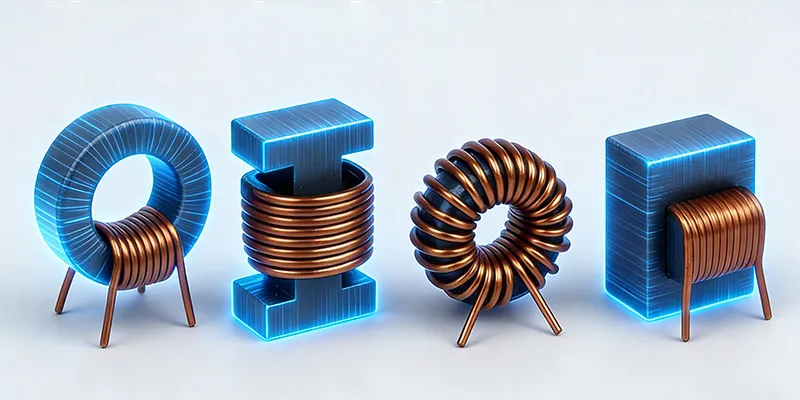
The Q factor stands as the sentinel of inductor efficiency. Factors such as winding density, the management of inter-layer capacitance, and lead-out geometry all exert a significant influence on this crucial metric.
Original Equipment Optimization: As the progenitor of the core, TOMITA possesses an unparalleled understanding of its flux distribution vectors. During processing, they recommend optimized winding topologies—such as bifilar, cross-winding, or Litz wire configurations—tailored to the specific spectral response of materials like 4A3 or 6D8.
Technical Efficacy: Components wound by the original manufacturer typically manifest substantially lower parasitic capacitance and more resilient high-frequency stability compared to third-party assemblies.
3. Tailored Assemblies for Proximity Sensors
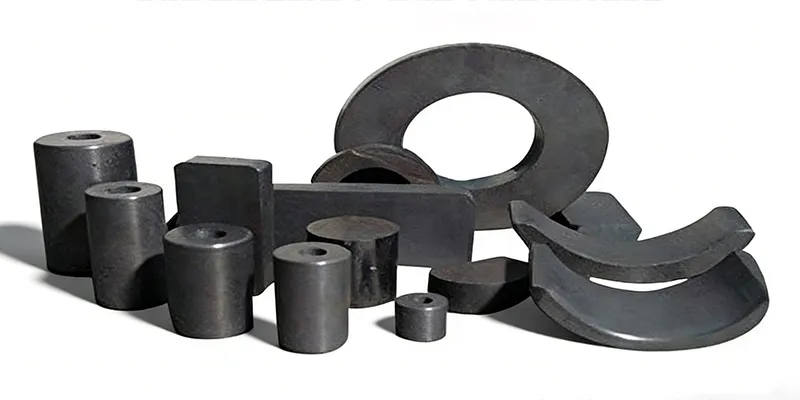
The TOMITA technical compendium highlights the symbiotic relationship between OT Series cores and advanced sensing technologies.
Unified Delivery: For manufacturers of inductive proximity sensors, TOMITA provides an “all-in-one” assembly encompassing core sintering, precise coil winding, and terminal termination.
Reliability Fortification: Sensor coils are frequently subjected to harsh industrial environments characterized by incessant vibration or oleaginous exposure. TOMITA’s assembly protocol involves specialized resin encapsulation and insulation treatments to ensure the component achieves a “zero-failure” industrial-grade durability.
4. Supply Chain Simplification: Moving from “Parts” to “Modules”
In the convoluted logistics landscape of 2026, consolidating the vendor base is a strategic imperative for risk mitigation.
Compressed R&D Cycles: Engineers need only stipulate the target inductance, operational frequency, and spatial constraints; TOMITA then manages the trajectory from core selection to a finalized, high-performance coil module.
Elimination of Accountability Friction: Traditionally, when inductor performance falters, the core supplier and the winder often engage in mutual recrimination. By selecting TOMITA’s integrated service, accountability is singular, and quality traceability is streamlined.
5. Strategic Recommendations for Procurement and Engineering
When scrutinizing the Dimensions tables in the catalog, one must look beyond the basic A, B, and C coordinates. It is vital to evaluate the “Winding Area” (the available winding window).
If you determine that the spatial envelope for winding is exceptionally parsimonious, or if your design mandates a draconian Direct Current Resistance (DCR) limit, it is advisable to consult a TOMITA office (Tokyo or Zhuhai) regarding their internal winding services immediately.
Pro-Tip: When requesting prototypes, consider applying for both “bare cores” and “pre-wound modules.” Comparative testing will invariably reveal the original manufacturer’s superiority in mitigating temperature rise and suppressing high-frequency losses.
Conclusion: The TOMITA service philosophy is predicated on “internalizing manufacturing complexity to provide the customer with simplicity.” Through their profound winding expertise, TOMITA successfully transmutes brittle ferrite ceramics into the plug-and-play electronic “hearts” of the future.
Shenzhen Gaorunxin Technology Co., Ltd