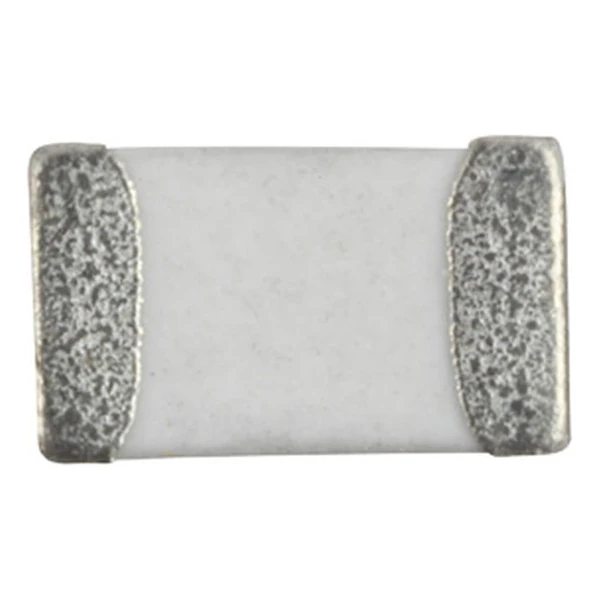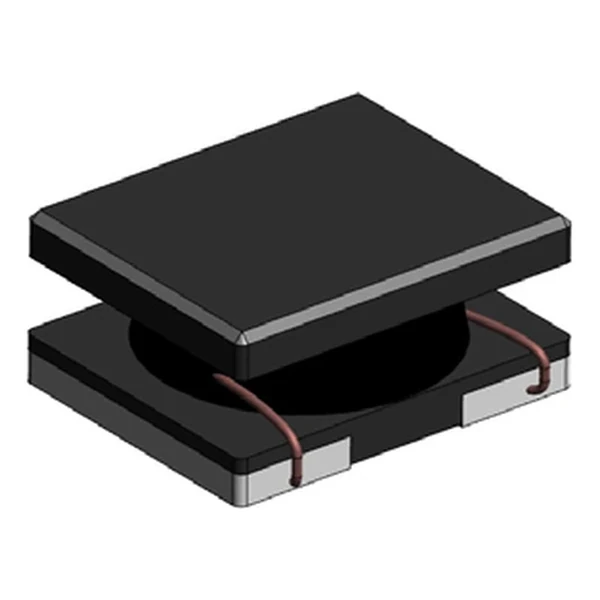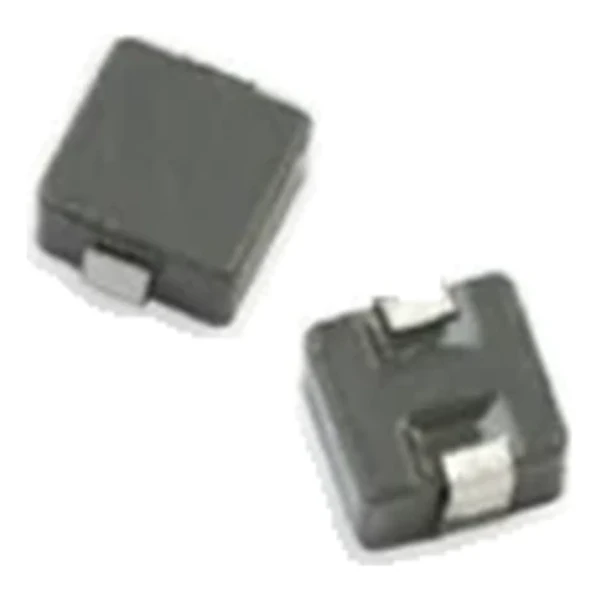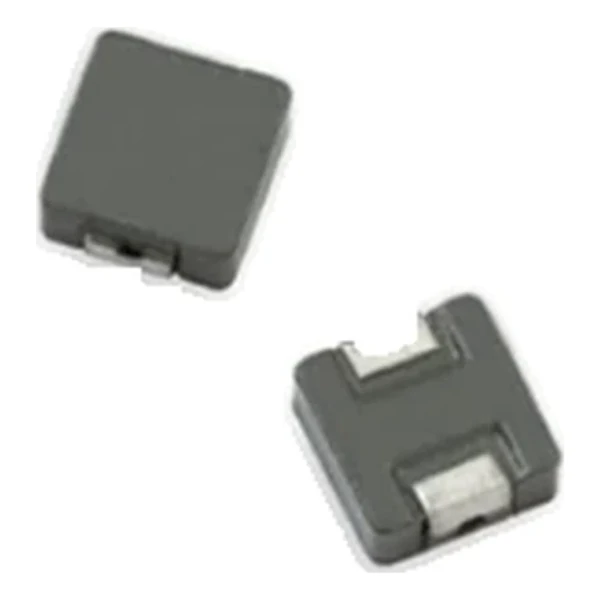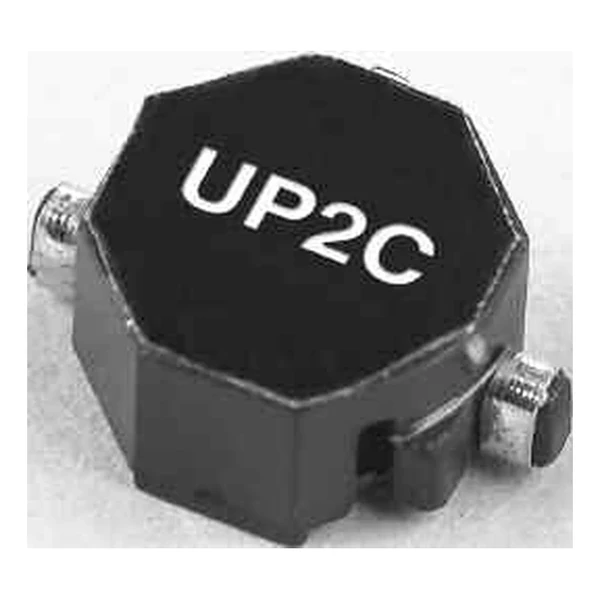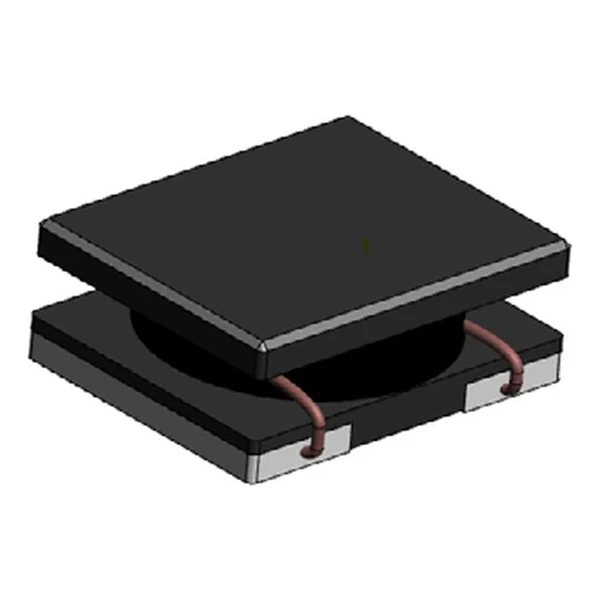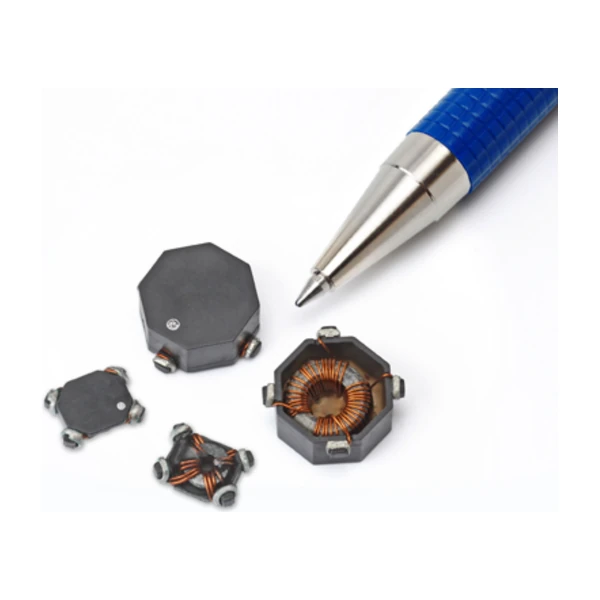
Eaton CMS1-3-R Surface-Mount Common-Mode Choke 12.6 uH
- Product Details
- Download
Eaton CMS1-3-R Surface-Mount Common-Mode Choke 12.6 uH
Electrical Specifications
| Parameter | Value |
|---|---|
| Orderable part number | CMS1-3-R |
| Open circuit inductance (OCL) | 12.6 uH minimum, (1-2) & (4-3) |
| I rms (max) | 4.1 A |
| DCR typical @ 20 °C (1-2) | 0.077 ohm |
| DCR typical @ 20 °C (4-3) | 0.077 ohm |
| Leakage inductance typ | 0.14 uH |
| Interwinding capacitance typ | 2.2 pF |
| Package | CMS series, surface mount |
| Operating temperature | 160 °C maximum |
| RoHS | Compliant (-R suffix) |
What the Numbers Mean
Differential mode is not affected in theory, but DCR is real: every milliohm is a voltage drop and a bit of heat in the signal path, and on a low-voltage rail that matters.
Impedance rolls off with frequency and with bias, so the value on the data sheet is a starting point rather than a guarantee. Model the network, then measure. 12.6 uH puts CMS1-3-R in the low-inductance class of the CMS range. These are the parts for fast-switching nodes where you want a stiff choke close to the source, not a big energy-storage element further downstream.
Where This Series Fits
CMS 是贴片共模电感,CMS1 / CMS2 / CMS3 三个尺寸系列,4.5 uH 到 1310 uH。
- Typical use: 开关电源输出滤波、DC-DC 共模抑制、EMI 整改.
- CMS 的 OCL 是在 (1-2) 与 (4-3) 两组绕组上测的最小值,实际应用中两根线都要接对绕组。
- Data sheet 4313.
Irms 4.1 A is the thermal limit - a 40 °C temperature rise at 85 °C ambient. With 0.077 ohm of DCR the winding loss at that current is 1.29 W. CMS1 is the smallest of the three CMS footprints
Frequently Asked Questions
What impedance should I pick?
The one that gives the attenuation you need at the noise frequency of your circuit, then check that the DCR is acceptable on the signal.
What is the operating temperature?
The CMS series is rated to 160 °C maximum, with inductance values sustained up to that temperature.
Is this part RoHS compliant?
Yes - the -R suffix denotes the RoHS build.
Design note: pick the choke by impedance at the noise
frequency, then confirm DCR and rated current against the signal or the rail.
Mechanical Dimensions

Dimensional drawing and recommended PCB pad layout from the Eaton data sheet. Tolerances and pad dimensions are as printed on the drawing; check the outline against your layout before release.
Shenzhen Gaorunxin Technology Co., Ltd
Online message
Shenzhen Gaorunxin Technology Co., Ltd