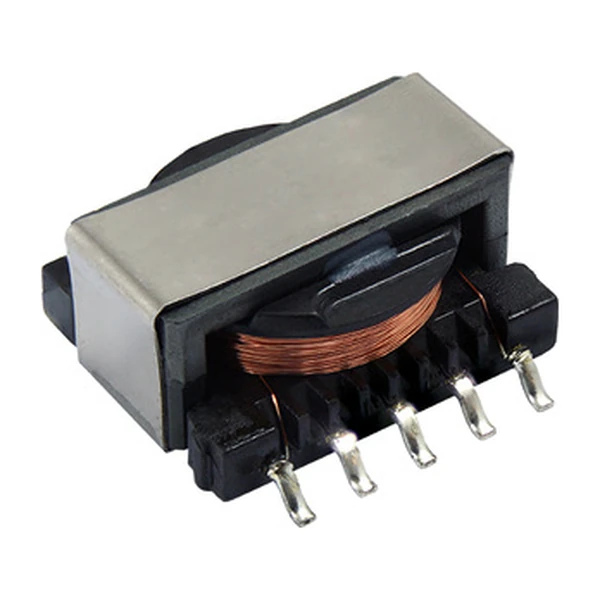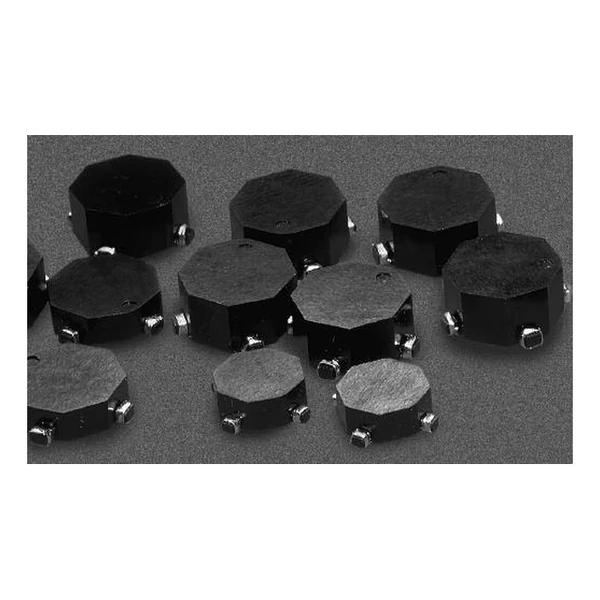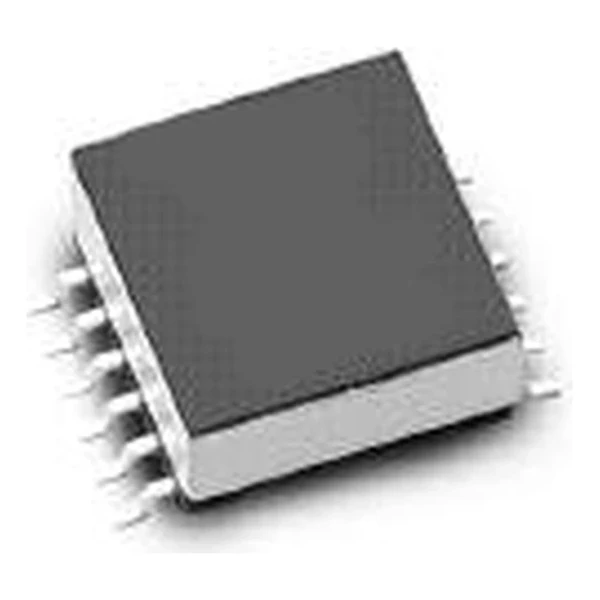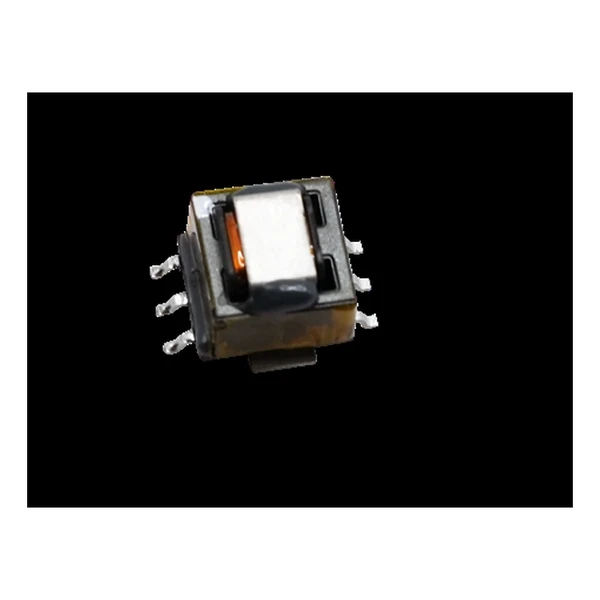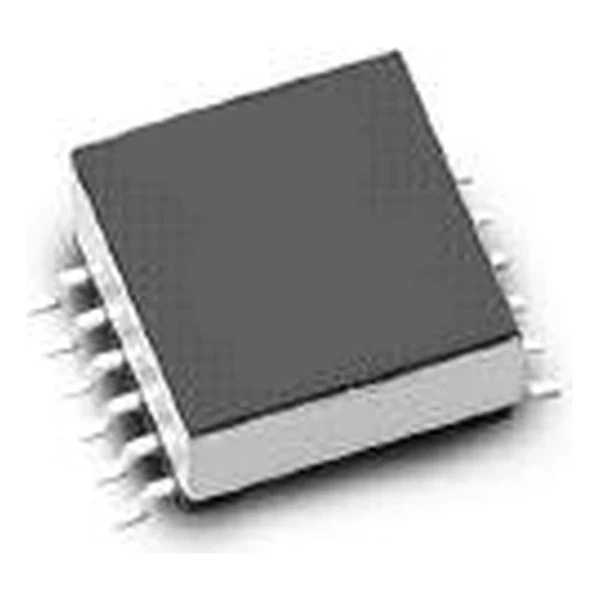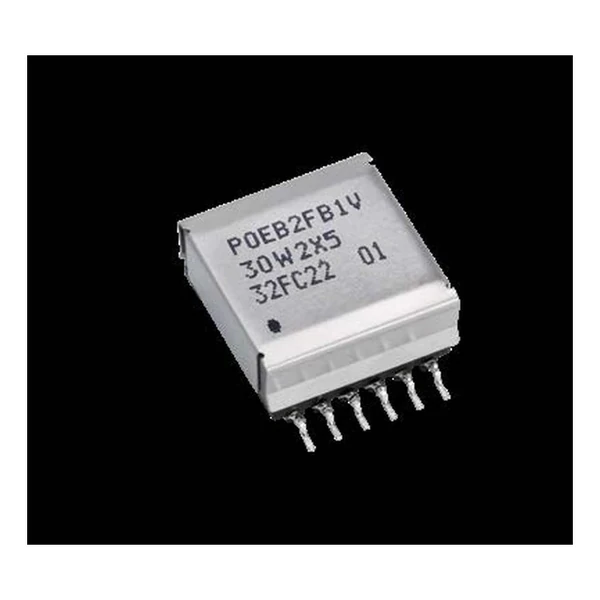
Eaton CTX100-4P-R Toroid Power Inductor
- Product Details
- Download
Eaton CTX100-4P-R Toroid Power Inductor
Specification Table
| Parameter | Value |
|---|---|
| Orderable part number | CTX100-4P-R |
| Inductance, parallel | 99.1 uH |
| Inductance, series | 396 uH |
| DC current, parallel | 0.72 A |
| DC current, series | 0.36 A |
| DCR, parallel maximum | 565 mOhm |
| DCR, series maximum | 2.26 Ohm |
| Package | See dimension drawing in the data sheet |
| Mounting | Surface mount |
| Operating temperature | -40 C to +125 C |
| Qualification | Commercial grade |
| RoHS | Compliant, -R suffix |
| Data sheet | Eaton Technical Data DS4314 |
Outline drawing, winding arrangement and recommended pad layout are on
page 2 of Eaton Technical Data DS4314; the package line above gives the body size where
the data sheet states it.
How to Read These Ratings
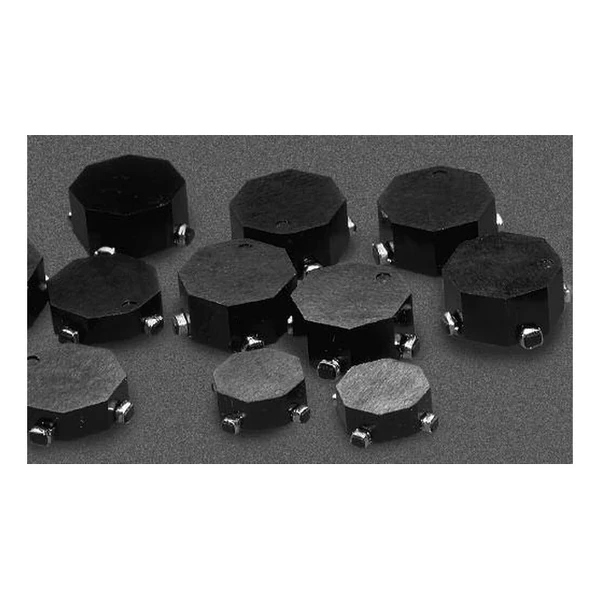
The ECONO-PAC and OCTA-PAC families are the same construction in different core grades: a toroid with two identical windings brought out to four pads, so one part covers two inductance ranges.
Parallel gives 99.1 uH at 0.72 A; series gives 396 uH at 0.36 A. The inductance ratio is about 4 to 1, which is the turns-squared rule at work.
Within the CTX100 family this is item 4 of 4 in the Eaton catalogue.
Where This Series Fits
The ECONO-PAC and OCTA-PAC ranges run from under 1 uH in parallel to several millihenry in series, all two-winding toroids on powder cores.
- The windings are not a safety isolation barrier. Do not use the part across a mains barrier without checking the construction.
- Typical applications: computer and portable power devices; lcd panels, dvd players; inductor: dc-dc converters; buck, boost, forward, and resonant converters; noise filtering and filter chokes.
- Design note: parallel and series are two different parts in one body. Fill in the connection on the drawing before release.
Frequently Asked Questions
What is the volt-second rating?
The flux swing the core can take per switching cycle before saturation. At a given switching frequency it converts directly to the maximum applied voltage.
Parallel or series – which do I use?
Parallel for high current at low inductance, series for the opposite. The two windings are identical, so series connection quadruples the inductance and halves the current rating.
What is the volt-second rating?
The flux swing the core can take per switching cycle before saturation. At a given switching frequency it converts directly to the maximum applied voltage.
Shenzhen Gaorunxin Technology Co., Ltd
Online message
Shenzhen Gaorunxin Technology Co., Ltd