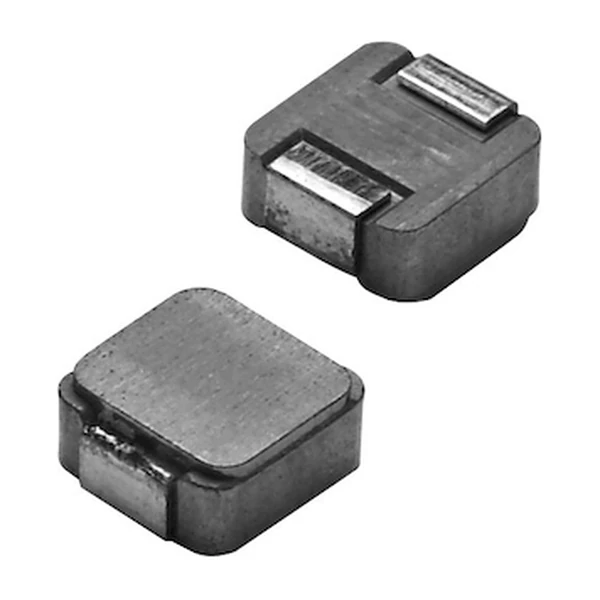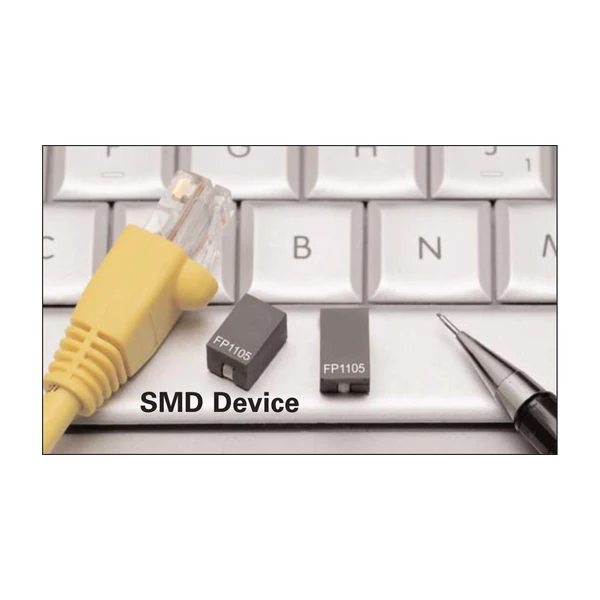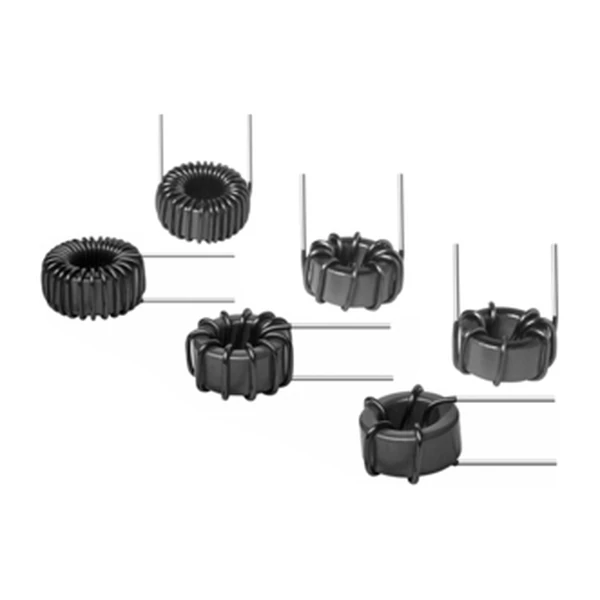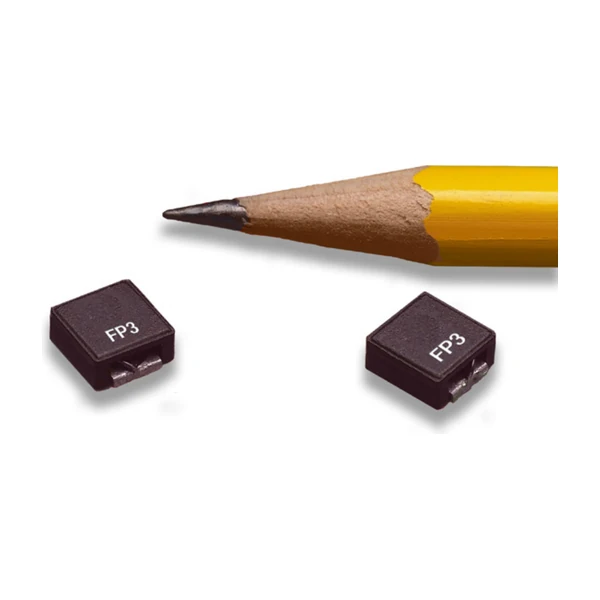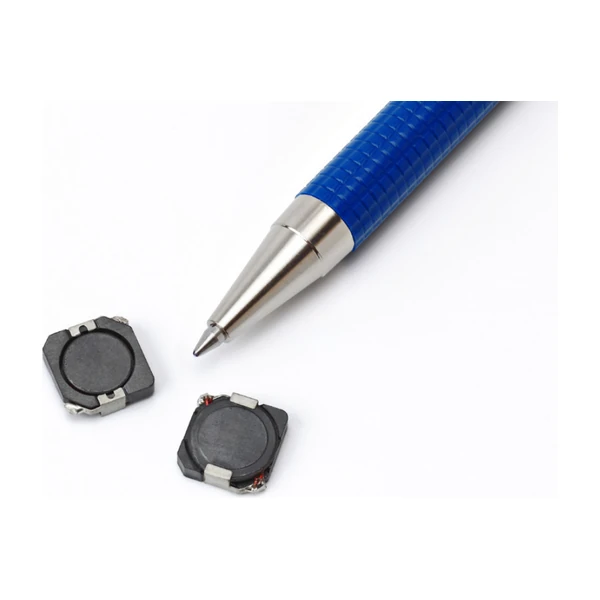
Eaton DR1030-330-R 1.81 A Saturation Shielded Inductor 33 uH
- Product Details
- Download
Eaton DR1030-330-R 1.81 A Saturation Shielded Inductor 33 uH
Specification Table
| Parameter | Value |
|---|---|
| Orderable part number | DR1030-330-R |
| Rated inductance | 33 uH ±20% |
| Open circuit inductance (OCL) | 32.4 uH |
| Irms (40 °C rise) | 1.6 A |
| Isat | 1.81 A |
| DCR typical @ 20 °C | 114 mOhm |
| DCR maximum @ 20 °C | 136 mOhm |
| K-factor (Bp-p = K x L x dI) | 4 |
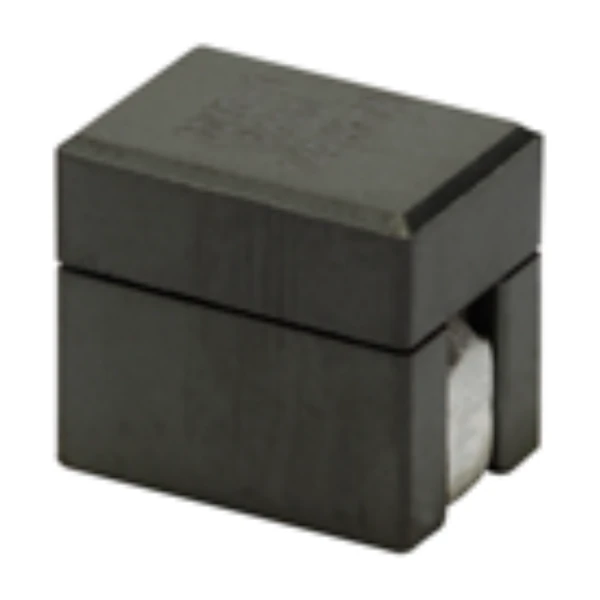
| Package | 10.5 x 10.3 mm footprint, 3.0 mm height |
| Mounting | Surface mount |
| Operating temperature | -40 °C to +125 °C |
| Qualification | Commercial grade |
| RoHS | Compliant (-R suffix) |
What the Numbers Mean
A drum core inductor is a coil wound on a bobbin inside a ferrite pot, and the pot is what makes it usable on a switching board: the field stays inside the core instead of spraying across the PCB. That shielding is the difference between a rail that passes emissions and one that needs another filter stage.
At 114 mOhm this is a part where the winding, not the core, decides the temperature rise. The data sheet quotes the typical and the maximum separately for a reason: build your budget on the maximum.
Saturation degrades with temperature on ferrite. Isat is the peak current for approximately 35% rolloff at +25 °C, and the hot value is the one that matters under a hood or inside a sealed enclosure.
Where This Series Fits
The DR1030 is the low-profile member of the 10.5 x 10.3 mm DR family. Eaton builds the same 10.5 x 10.3 footprint in three heights - 3.0, 4.0 and 5.0 mm - and the height is what you trade for current. The 3.0 mm part fits under a shield can or into a slim chassis; for the same inductance the taller versions will carry more current.
- Typical applications: LED/LCD backlighting, HDTV, server and desktop power supplies, notebook regulators, graphics cards, point-of-load modules.
- At 3.0 mm this is the thermally tightest of the three heights - check the self-heating at the current you actually need before banking on the headline Irms figure.
- Data sheet 4132.
Sizing and Layout Notes
33 uH is in the middle of what this series covers. Moving up in inductance costs DCR and saturation current; moving down buys both, at the price of ripple.
Thermal design is not optional here. The rated current assumes a 40 °C rise with the part in free air on a stated pad; inside a closed box, on a thin board, next to a hot IC, that assumption is gone.
Frequently Asked Questions
Is the "-R" suffix important?
Yes - it denotes the RoHS-compliant build. The same inductance without it is a different ordering code.
Is the "-R" suffix important?
Yes - it denotes the RoHS-compliant build. The same inductance without it is a different ordering code.
What is the K-factor for?
It converts the peak-to-peak ripple into a flux swing: Bp-p = K x L x dI, with Bp-p in mT and L in uH. That flux swing is what you enter on the core loss graph.
Design note: use the maximum DCR for the loss budget, keep the peak current below Isat with margin for the transient, and remember the 40 °C rise assumes free air on the recommended pad.
Mechanical Dimensions

Dimensional drawing and recommended PCB pad layout from the Eaton data sheet. Tolerances and pad dimensions are as printed on the drawing; check the outline against your layout before release.
Shenzhen Gaorunxin Technology Co., Ltd
Online message
Shenzhen Gaorunxin Technology Co., Ltd