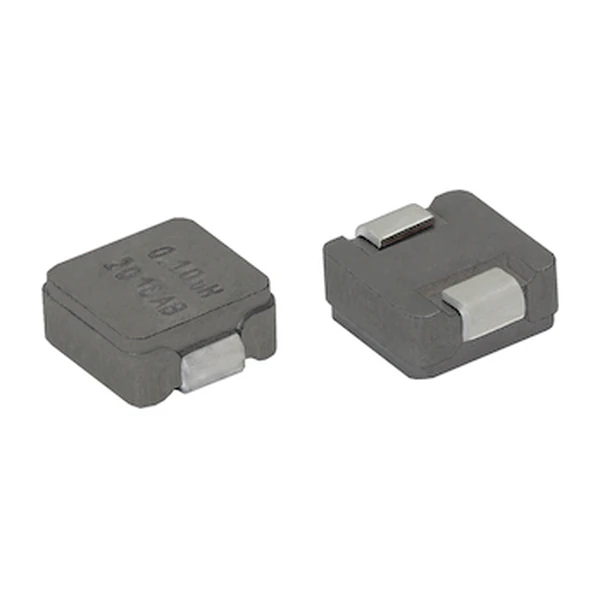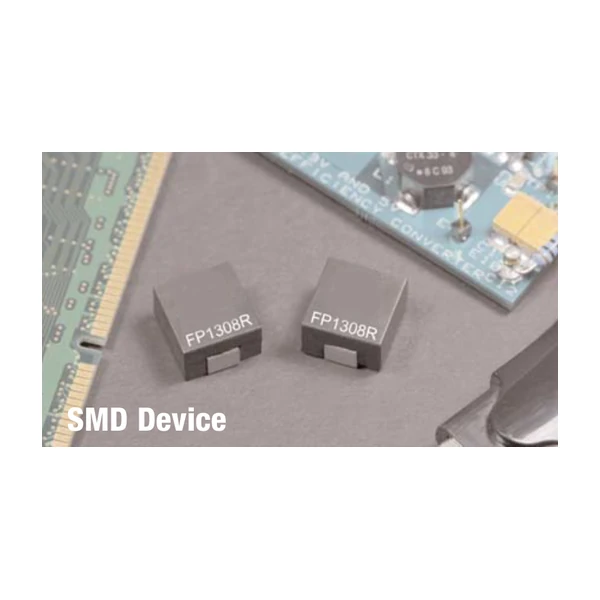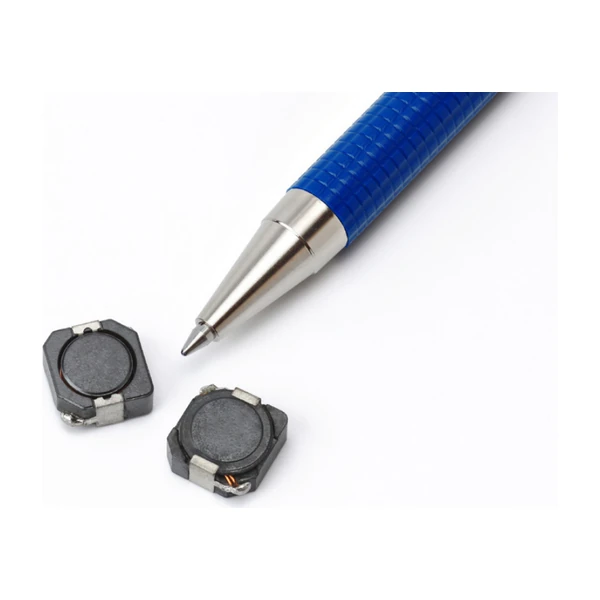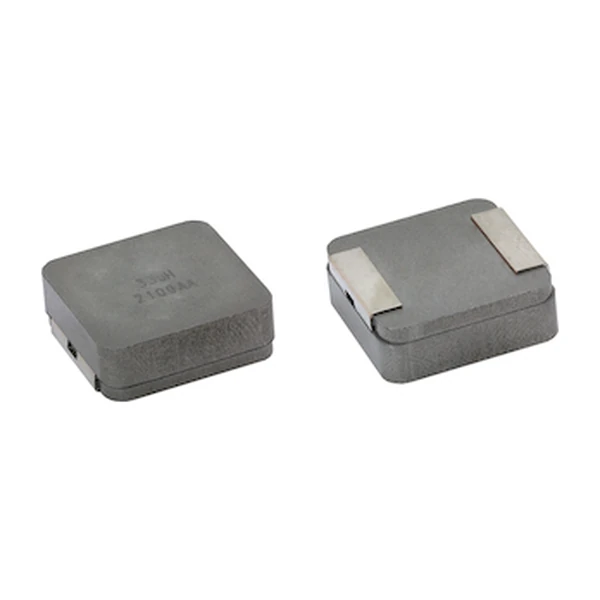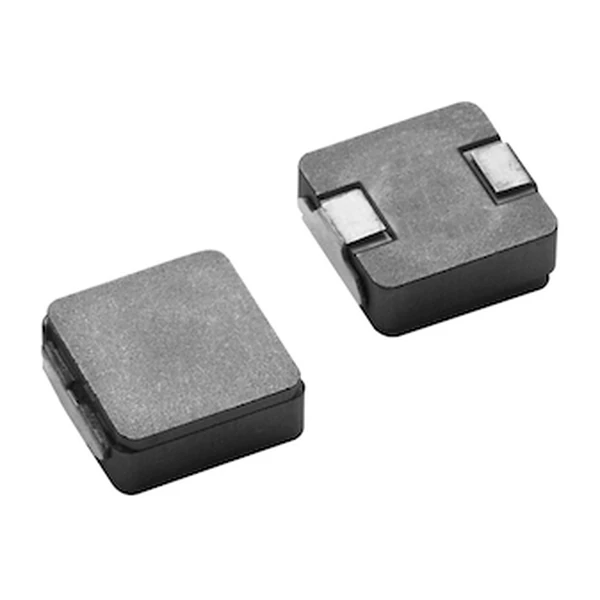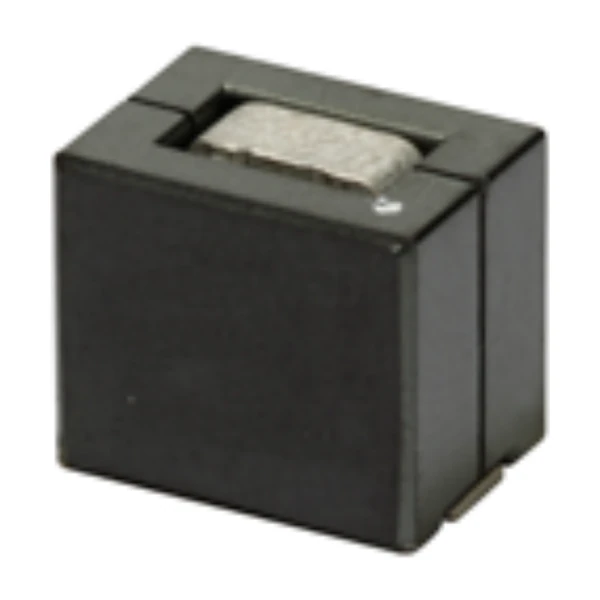
Eaton DRA125-1R5-R - 1.5 uH AEC-Q200 Power Inductor
- Product Details
- Download
Eaton DRA125-1R5-R - 1.5 uH AEC-Q200 Power Inductor
Electrical Specifications
| Parameter | Value |
|---|---|
| Orderable part number | DRA125-1R5-R |
| Rated inductance | 1.5 uH ±20% |
| Open circuit inductance (OCL) | 1.41 uH |
| Irms (40 °C rise) | 12.9 A |
| Isat1 (30% rolloff @ +25 °C) | 18.4 A |
| Isat2 (40% rolloff @ +125 °C) | 14.8 A |
| DCR typical @ 20 °C | 3.3 mOhm |
| DCR maximum @ 20 °C | 3.9 mOhm |
| K-factor (Bp-p = K x L x dI) | 98.3 |
| Package | 12.5 x 12.5 mm footprint |
| Mounting | Surface mount |
| Operating temperature | -40 °C to +165 °C |
| Qualification | AEC-Q200 |
| RoHS | Compliant (-R suffix) |
Reading the Data Sheet
Under-hood and in-module electronics see temperature cycling, vibration and long service life. The DRA/DRAP/DRAQ parts are built for that: AEC-Q200, wider temperature range, and mechanical features that keep the part attached.
Automotive thermal cycles are the hard part: the part may be rated to 165 °C, but every power cycle flexes the solder joint. The four-terminal variants exist precisely because two terminals are not always enough.
The saturation current is measured at a defined roll-off, and Eaton states the percentage on the data sheet: Isat1 is the 30% rolloff point at +25 °C, Isat2 the 40% rolloff at +125 °C. Read the number with the percentage in hand, because "saturation" means different things at 25% and at 40%.
Series Positioning
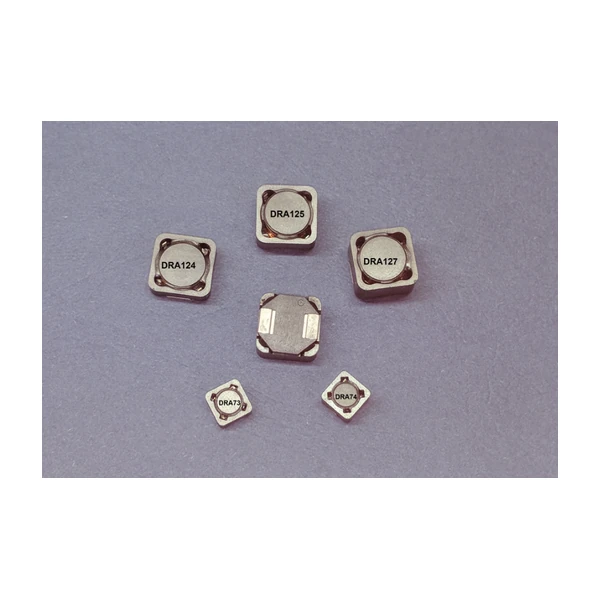
DRA125 is the 12.5 mm AEC-Q200 part at mid height - more current than DRA124, same footprint, so an upgrade does not force a board respin.
- Typical applications: Automotive DC-DC converters, body control modules, LED lighting, ADAS, infotainment supplies.
- Shielding matters in a module full of radios and sensors: the closed drum keeps the field in, but the layout still has to keep the hot loop small.
- Data sheet 4319.
Putting It to Work
1.5 uH sits in the middle of the range, and the trade at that point is explicit: 3.3 mOhm of DCR against 18.4 A of saturation headroom.
Efficiency is set by where you sit on the loss curve, and the curve moves with switching frequency. A part that is excellent at 300 kHz can be mediocre at 1 MHz with the same current, because the core loss term takes over.
Frequently Asked Questions
What does AEC-Q200 cover?
The qualification of the component itself: thermal shock, vibration, moisture, life and electrical stress. It does not qualify your assembly or your thermal design.
What is the operating temperature?
-40 °C to +165 °C, ambient plus self-temperature rise. That covers under-hood modules with margin for the rise.
Is the part shielded?
Yes, magnetically shielded, which is what keeps the field out of the radios, sensors and ADAS front ends that share the module.
Design note: the 165 °C rating is ambient plus self-heating. Close the loss budget at the hot corner, with the maximum DCR and the hot Isat figure.
Mechanical Dimensions

Dimensional drawing and recommended PCB pad layout from the Eaton data sheet. Tolerances and pad dimensions are as printed on the drawing; check the outline against your layout before release.
Shenzhen Gaorunxin Technology Co., Ltd
Online message
Shenzhen Gaorunxin Technology Co., Ltd