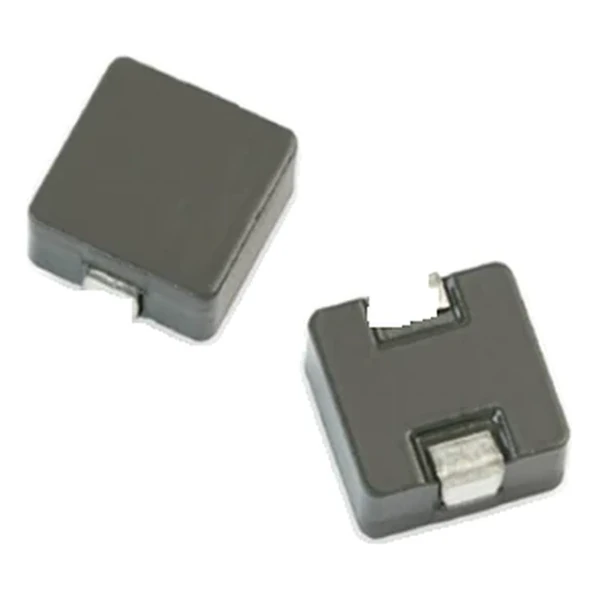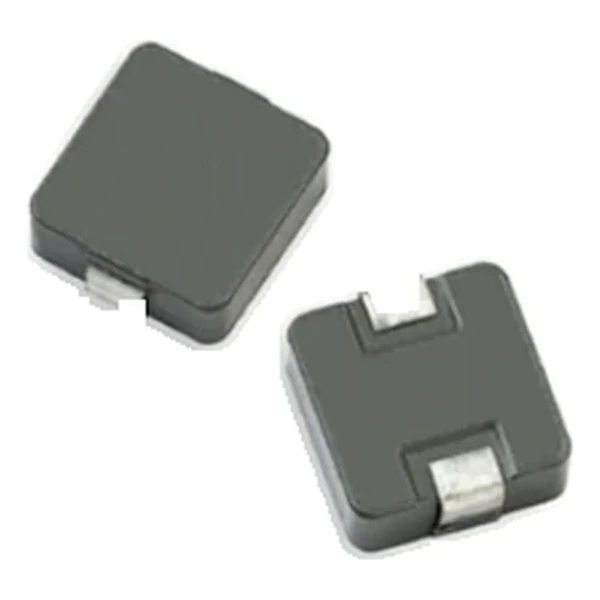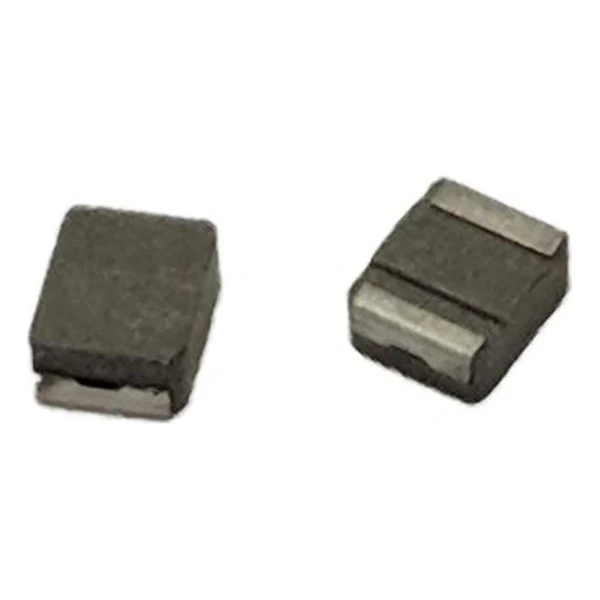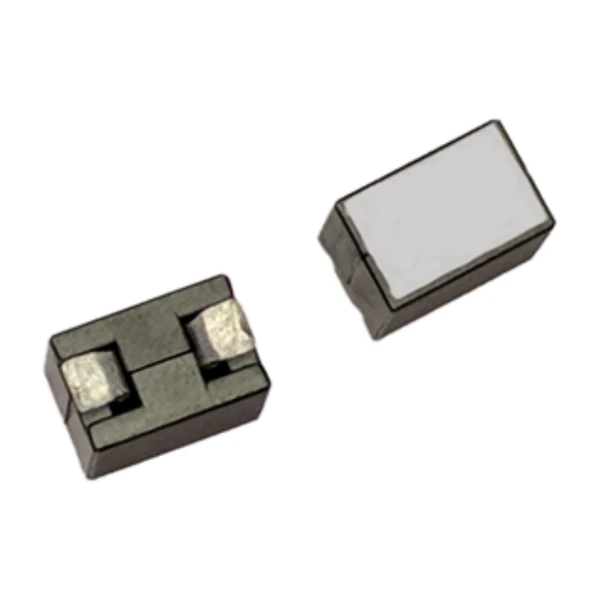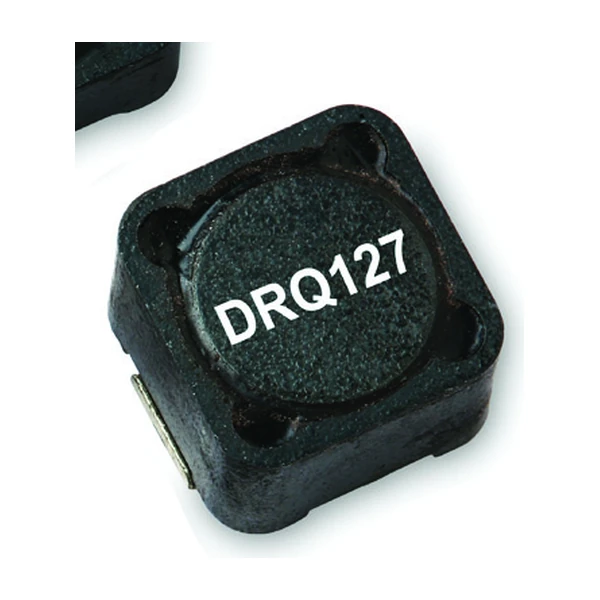
Eaton DRQ127-4R7-R - Dual Winding 4.7 uH Power Inductor
- Product Details
- Download
Eaton DRQ127-4R7-R - Dual Winding 4.7 uH Power Inductor
Key Specifications
| Parameter | Value |
|---|---|
| Orderable part number | DRQ127-4R7-R |
| Rated inductance | 4.7 uH ±20% |
| Open circuit inductance (OCL) | 4.84 uH |
| Irms (40 °C rise) | 8.25 A |
| Isat | 16.5 A |
| DCR typical @ 20 °C | 9.17 mOhm |
| Volt-microsecond rating | 11.9 V-us |
| Series connection | 19.4 uH, 4.13 A |
| Parallel connection | 4.7 uH, 8.25 A |
| Turns ratio | 1:1, coupled |
| Package | 12.5 x 12.5 mm footprint, 8.0 mm max height |
| Mounting | Surface mount |
| Operating temperature | -40 °C to +125 °C |
| Qualification | Commercial grade |
| RoHS | Compliant (-R suffix) |
Reading the Data Sheet
One core, two windings, three possible connections. Parallel for current, series for inductance, or coupled as a transformer. The electrical ratings change by roughly a factor of four between the two extreme connections, so the connection is a design decision, not a wiring detail.
Coupled operation is where the part earns its keep: with the right duty cycle the two windings cancel part of the ripple, so the output capacitor sees less AC current and the converter can run at a lower switching frequency for the same ripple.
Saturation degrades with temperature on ferrite. Isat is the peak current for approximately 30% rolloff at +20 °C, and the hot value is the one that matters under a hood or inside a sealed enclosure.
Where This Series Fits
DRQ127 is the tallest dual-winding DRQ at 8.0 mm and the highest-current part in the family, up to 56 A peak in parallel mode. Two windings, one core, and the option to use it as a transformer.
- Typical applications: High current DC-DC, server power, SEPIC and flyback, battery systems, filter chokes.
- The parallel rating is not double the single-winding rating of the same size - check both windings' DCR and the thermal path before assuming it.
- Data sheet DS4311.
Sizing and Layout Notes
Choose 4.7 uH when the ripple target is in the middle of the design window: the DCR stays at 9.17 mOhm and the saturation limit at 16.5 A leaves the transient room it needs.
The loss budget is the whole story with a power inductor: core loss grows with frequency and flux swing, copper loss grows with current, and the two meet at a different point for every inductance in the series.
Frequently Asked Questions
What happens if I only use one winding?
The part works as a single inductor, but the unused winding still occupies the core window - you do not get extra saturation headroom by leaving it open.
How much isolation is there between windings?
The data sheet states the winding-to-winding voltage for each family. Treat it as a functional rating, not as reinforced insulation for a mains barrier.
Does the coupling ratio matter?
Yes. The turns ratio is 1:1, and the ripple cancellation depends on it. A part with a different ratio is not interchangeable in a coupled design.
Design note: decide the connection before you lay out the board. Parallel, series and coupled all use the same part, and the inductance moves by 4x between them.
Mechanical Dimensions

Dimensional drawing and recommended PCB pad layout from the Eaton data sheet. Tolerances and pad dimensions are as printed on the drawing; check the outline against your layout before release.
Shenzhen Gaorunxin Technology Co., Ltd
Online message
Shenzhen Gaorunxin Technology Co., Ltd