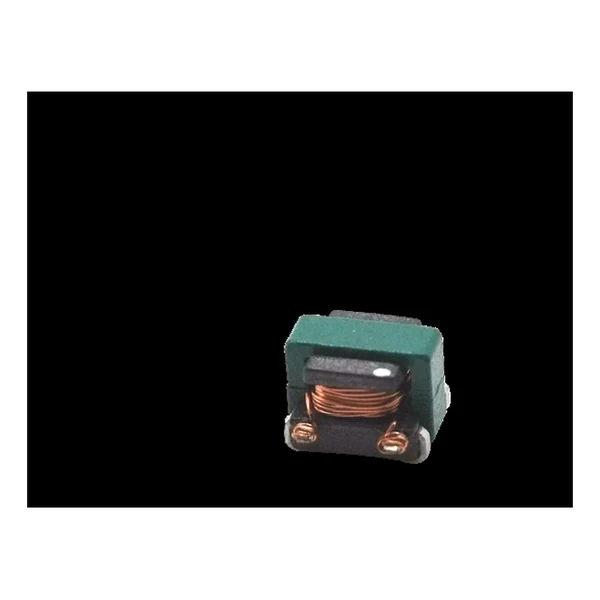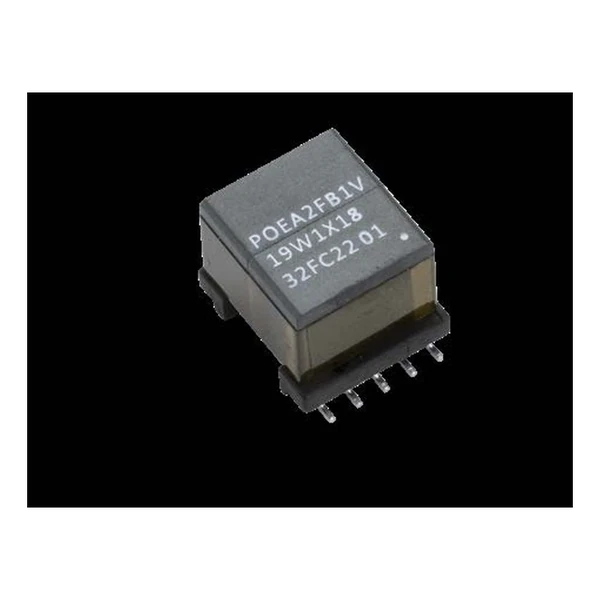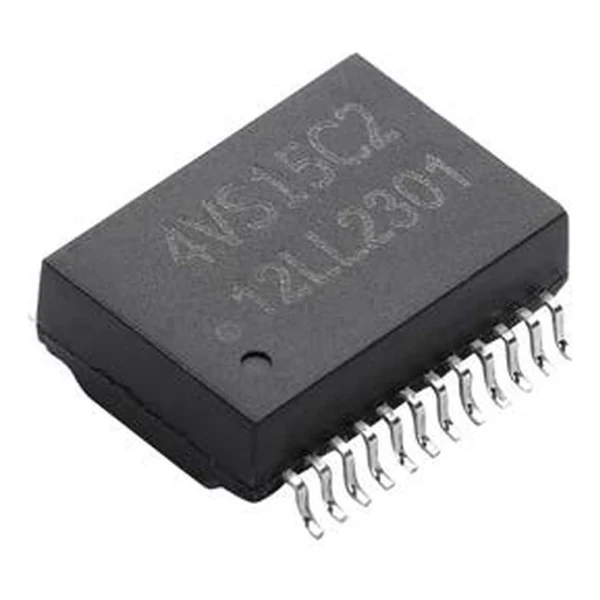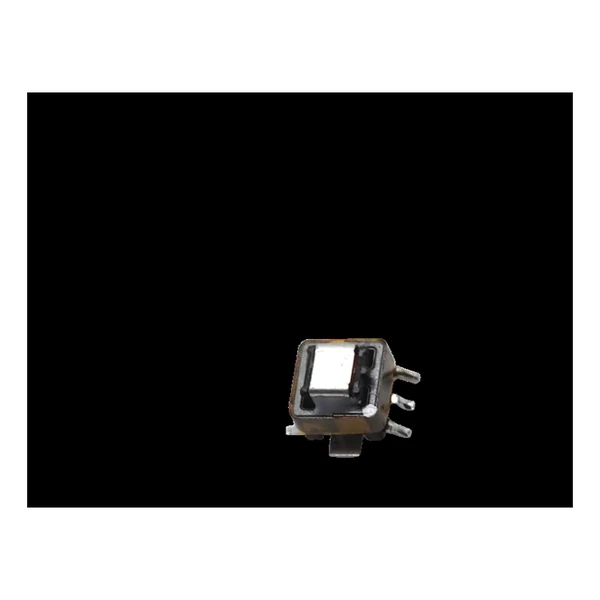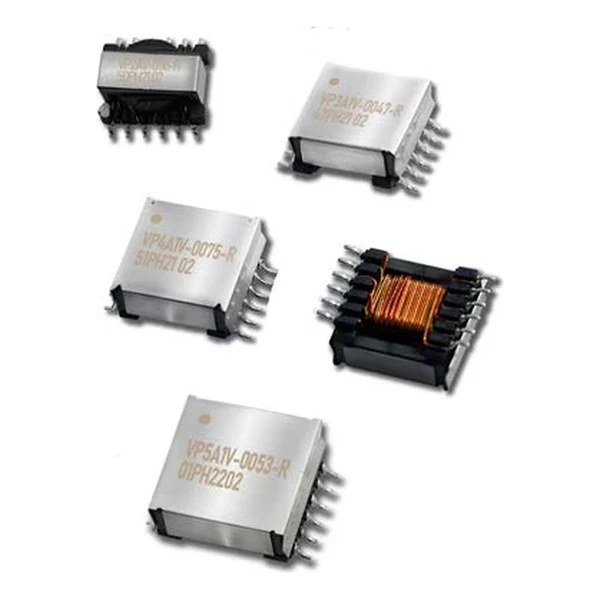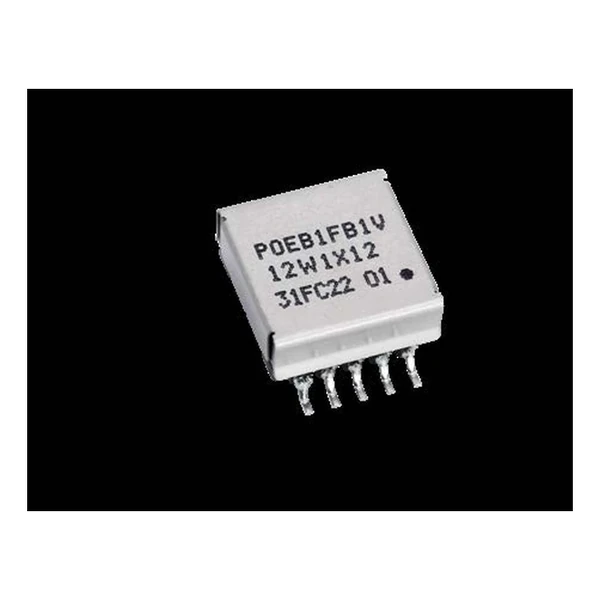
Eaton ECST1V0805-1030-R Current Transformer 30:1
- Product Details
- Download
Eaton ECST1V0805-1030-R Current Transformer 30:1
Specification Table
| Parameter | Value |
|---|---|
| Orderable part number | ECST1V0805-1030-R |
| Turns ratio secondary:primary | 30:1 |
| Secondary inductance minimum | 180 uH |
| DCR secondary maximum | 870 mOhm |
| DCR primary reference | 0.7 mOhm |
| Hi-pot primary to secondary | 500 Vac |
| Sensed current maximum | 10 A |
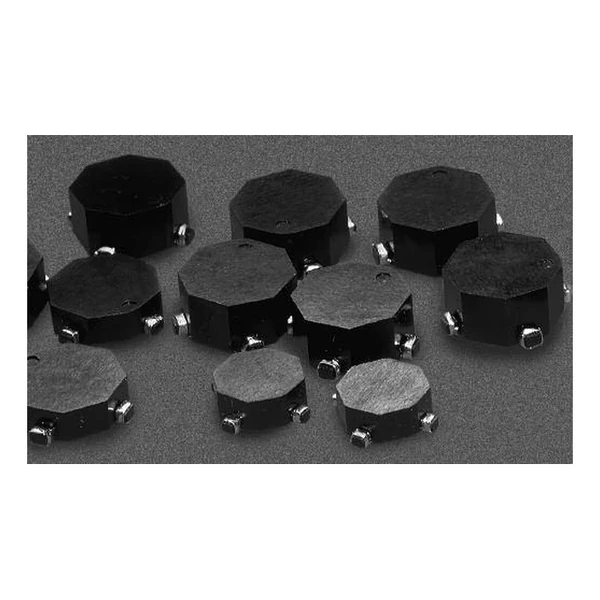
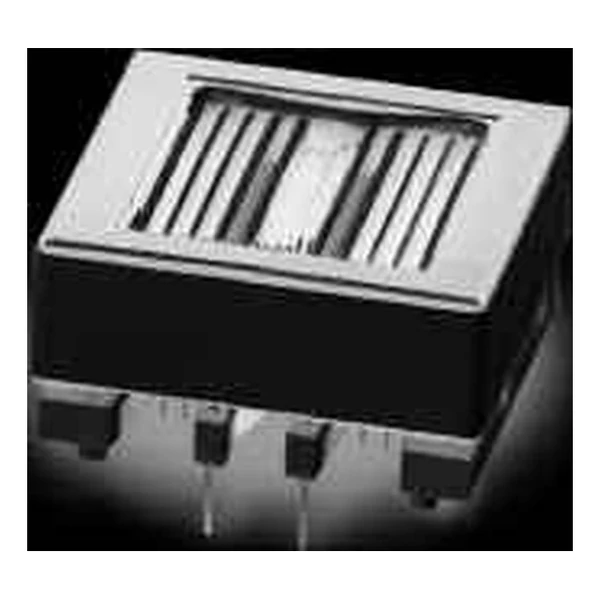
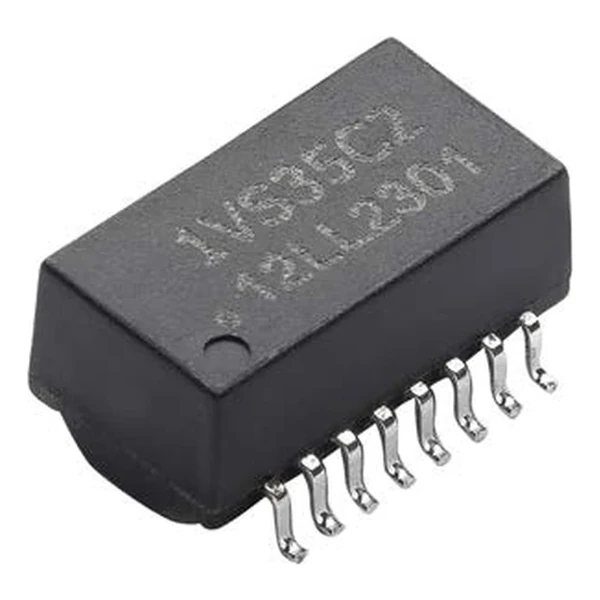
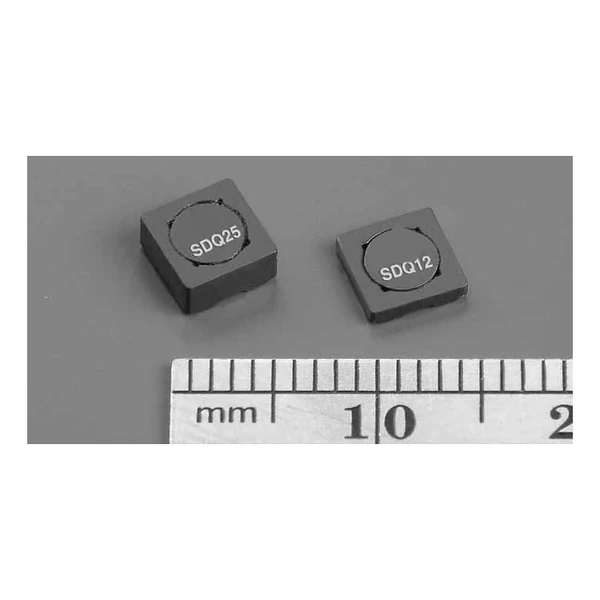
| Package | 8.38 x 8 x 5.5 mm |
| Mounting | Surface mount |
| Operating temperature | -40 C to +125 C |
| Qualification | Commercial grade |
| RoHS | Compliant, -R suffix |
| Data sheet | Eaton Technical Data ELX1187 |
Outline drawing, winding arrangement and recommended pad layout are on
page 2 of Eaton Technical Data ELX1187; the package line above gives the body size where
the data sheet states it.
The Figures Explained
Current sense transformers are chosen on ratio and on the volt-second capability of the secondary, because the output is a current into a burden, not a voltage source. The isolation rating between primary and secondary is what makes the part safe to use on the line side.
With a 30:1 ratio, a 10 A primary current becomes 0.333 A in the secondary. Across a 50 ohm burden that is 16.7 V, which is what the controller actually sees.
The secondary winding of 180 uH with 870 mOhm of resistance sets both the low-frequency corner and the signal loss; both move if you change the burden resistor.
Within the ECST1V0805 family this is item 2 of 8 in the Eaton catalogue.
Positioning in the Range
The ECST and ECSTA ranges cover 7 A to 15 A of primary current in EE4.4 to EE8.3 packages, with turns ratios from 20:1 to 200:1.
- Never operate with the secondary open. Terminate into the burden resistor before applying primary current.
- Typical applications: switching power supplies; feedback control; overload sensing; load drop/shut down detection.
- Design note: the burden resistor and the secondary inductance set the bandwidth. Size the resistor first.
Frequently Asked Questions
Why must the secondary be terminated?
The part is a current source. Left open, the secondary voltage rises until the core saturates or the insulation breaks down; the burden resistor is part of the circuit, not an optional extra.
Why must the secondary be terminated?
The part is a current source. Left open, the secondary voltage rises until the core saturates or the insulation breaks down; the burden resistor is part of the circuit, not an optional extra.
How much current can the primary take?
The sensed current column is the primary rating. It is limited by the copper and by the volt-second capability of the core, not by the winding insulation alone.
Shenzhen Gaorunxin Technology Co., Ltd
Online message
Shenzhen Gaorunxin Technology Co., Ltd