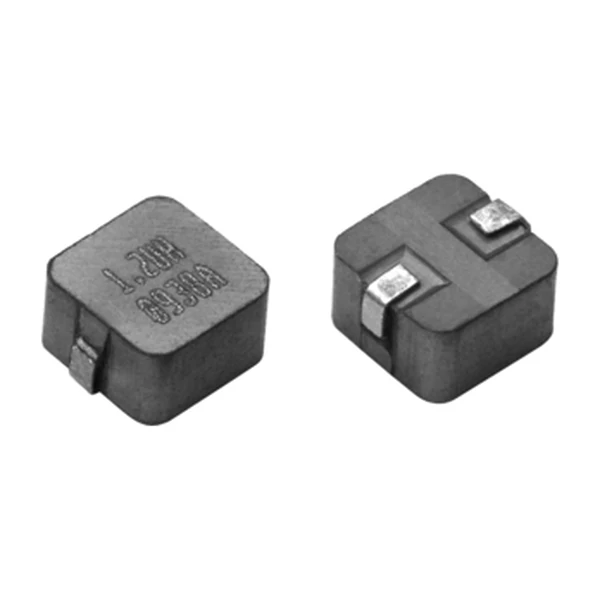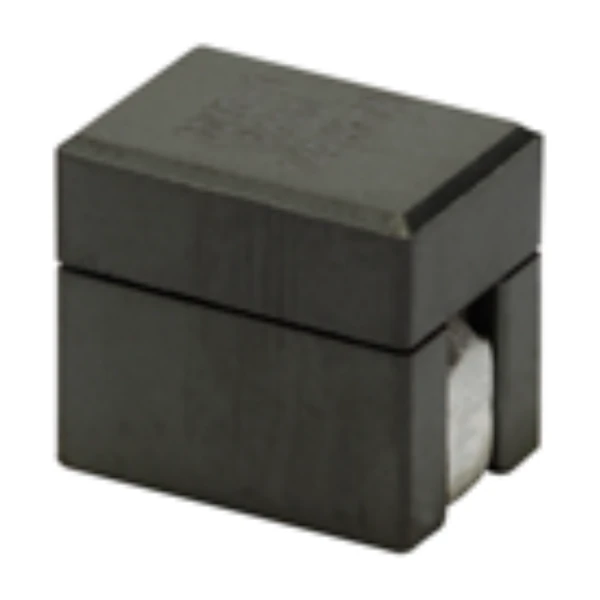
Eaton FP1010R3-R300-R High Current Inductor, 300 nH 0.145 mOhm
- Product Details
- Download
FP1010R3-R300-R at a glance: 300 nH high frequency, high current power inductor, 78 A Irms, 27 A Isat, DCR 0.145 mOhm, 9.6 x 6.4 mm body, 10.4 mm tall.
Eaton FP1010R3-R300-R High frequency, high current power inductors
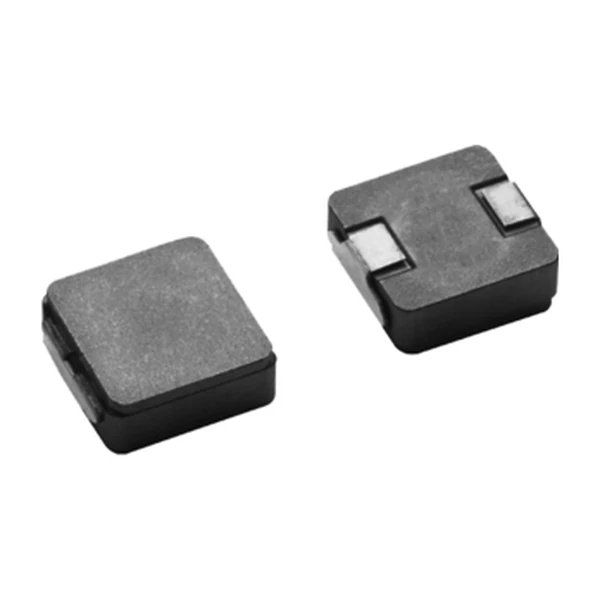
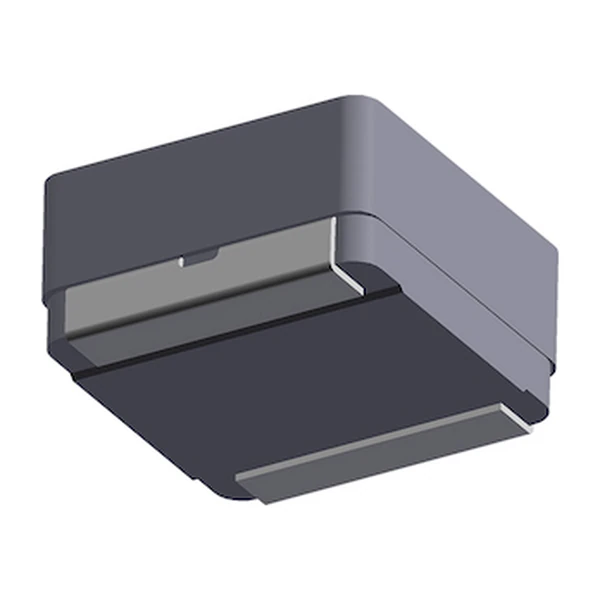
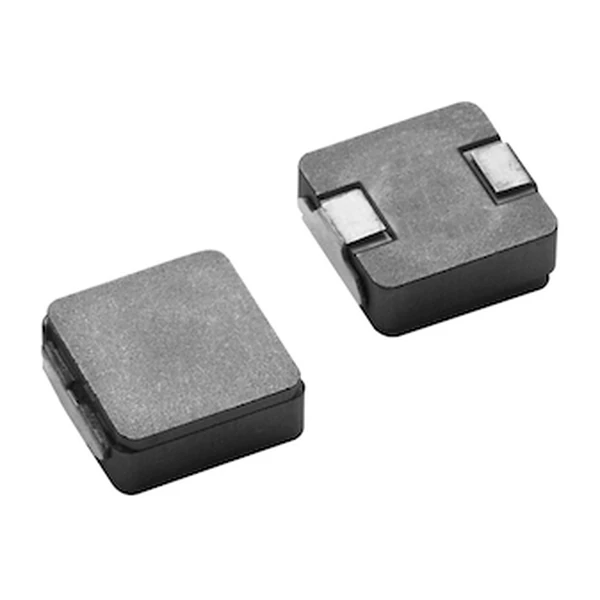
The FP1010R3-R300-R is a 9.6 x 6.4 mm high frequency, high current power inductor from Eaton, rated 78 A Irms at 300 nH and 0.145 mOhm typical DCR. It is a surface-mount part 10.4 mm tall, operating from -40 °C to +125 °C, and it is built for the phase node of a buck regulator where the inductor sets ripple and the control loop sets the rest.
Ratings at a Glance
| Orderable part number | FP1010R3-R300-R |
| Inductance, OCL (0 Adc) | 300 nH |
| Inductance, FLL (minimum) | 210 nH |
| Irms (40 °C rise, no core loss) | 78 A |
| Isat (20% roll-off @ +25 °C) | 27 A |
| Isat2 (20% roll-off @ +75 °C) | 24 A |
| Isat3 (20% roll-off @ +100 °C) | 23 A |
| Isat4 (20% roll-off @ +125 °C) | 22 A |
| DCR typical @ +20 °C | 0.145 mOhm |
| K-factor (Bp-p = K x L x dI) | 432 |
| Package | 9.6 x 6.4 mm, 10.4 mm height |
| Core material | Ferrite, magnetically shielded |
| Operating temperature | -40 °C to +125 °C (ambient plus self-temperature rise) |
| Moisture sensitivity level | MSL 1 |
| RoHS | Compliant (-R suffix) |
Reading the Data Sheet
At zero bias the winding measures 300 nH. Put Isat1 through it and the figure falls to 210 nH, about 30% lower, because the ferrite is partly saturated. Ripple calculations belong on the 300 nH number; loop stability and worst-case current belong on the lower one.
Saturation is quoted as 20% roll-off at 27 A at +25 °C. That is a convention rather than a cliff: past it the inductance keeps falling, and how quickly depends on how hard the core is driven. Compare your worst-case peak against this number, not the average current.
The 882 mW dissipated at 78 A through 0.145 mOhm is what sets the 40 °C rise behind the Irms column. Because that figure excludes core loss, a converter running at high frequency with large ripple will heat the part more than the table suggests.
Core loss needs flux, and flux here is about 105 mT for a 8.1 A ripple (K = 432). Double the ripple and the flux roughly doubles, but the loss does not - it climbs faster than linearly, which is why pushing ripple up to save inductance is not free.
Where This Part Sits in the Range
The 9.6 x 6.4 mm body sits in the middle of the FP range: wide enough for a winding with low DCR, compact enough to place next to the switching stage without a long loop back to the input capacitors. At 300 nH this sits at the high-inductance end of the family. Ripple is small and core loss with it, but there is less headroom before saturation, because saturation current falls as inductance rises in the same can.
That makes it part 10 of 12 when the data sheet is sorted by inductance, and it shares the lowest DCR here at 0.145 mOhm, Irms of 78 A is the top of the family.
- Application fit: Multi-phase and Vcore regulators, Voltage Regulator Modules (VRMs), Server and desktop.
- Construction: ferrite core, magnetically shielded, surface mount, supplied on tape and reel.
- Temperature: -40 °C to +125 °C, ambient plus self-temperature rise.
Design Notes
Start from ripple: dI = (Vin - Vout) x D / (L x fsw). With 300 nH and your switching frequency that gives peak current, and the peak is what has to stay under the Isat column for the temperature inside the enclosure. Then check the DC term against Irms.
Two layout points matter with a part this size. Keep the input capacitor loop short, because the switch node is the main source of radiated noise and the inductor will not fix it. And give the pads enough copper: at 0.145 mOhm the winding is not the loss, the trace can be.
Outline Drawing
The drawing below is taken from the Eaton data sheet for this series: body outline, recommended pad layout and winding schematic. Pad geometry matters more than usual here, because the terminals are large and the body sits low, so an undersized pad wicks solder and lifts the part off the plane.

Frequently Asked Questions
What does the R suffix on the part number mean?
It marks RoHS compliance and is part of the orderable number. The characters before it identify body size, version (DCR bin) and inductance in nanohenries: for example FP1007R1-R12-R is the 10 x 7 mm body, R1 version, 120 nH.
Why is the saturation current listed at several temperatures?
Because the ferrite loses permeability as it heats, so the same winding saturates at a lower current when it is hot. The columns let you read the value at the temperature your board actually runs at instead of scaling a room-temperature number by guesswork.
Shenzhen Gaorunxin Technology Co., Ltd
Online message
Shenzhen Gaorunxin Technology Co., Ltd