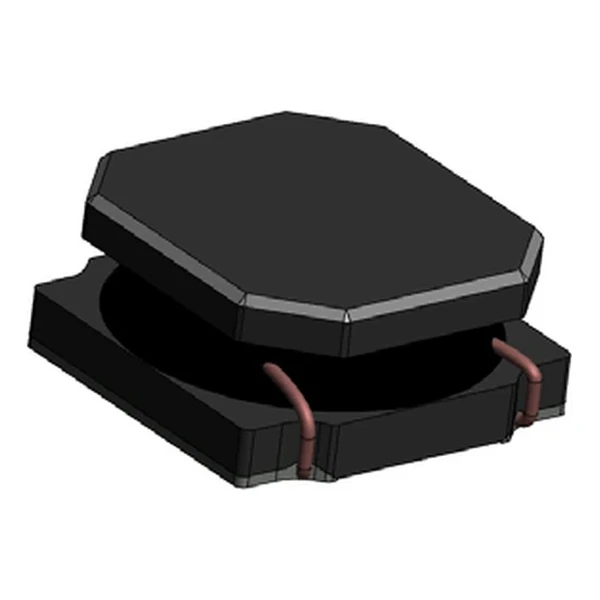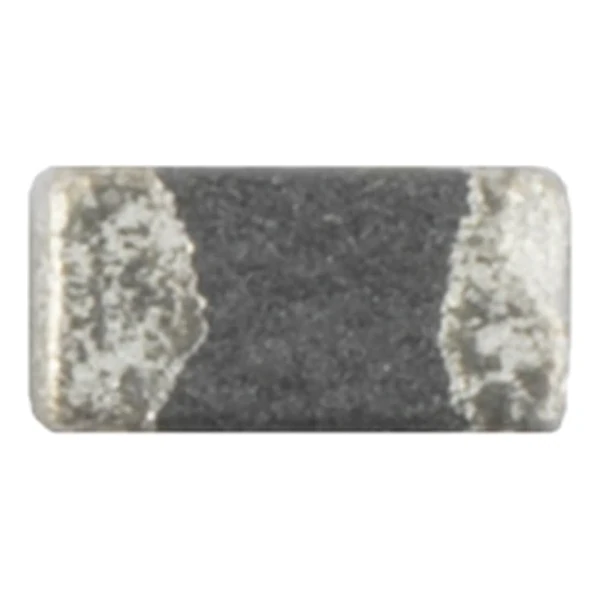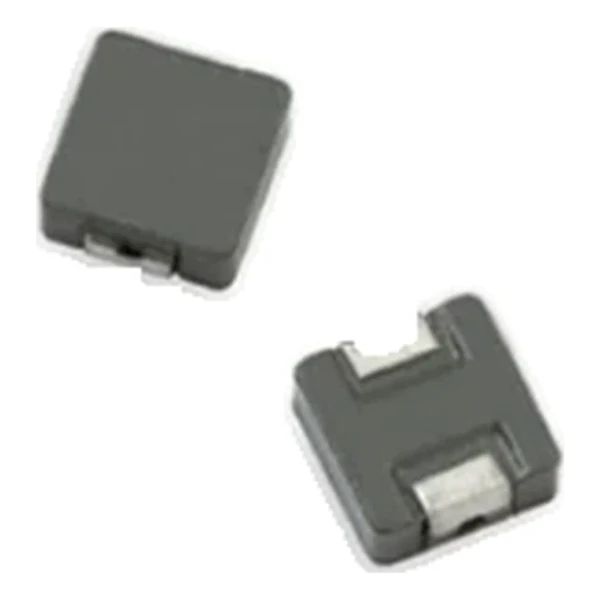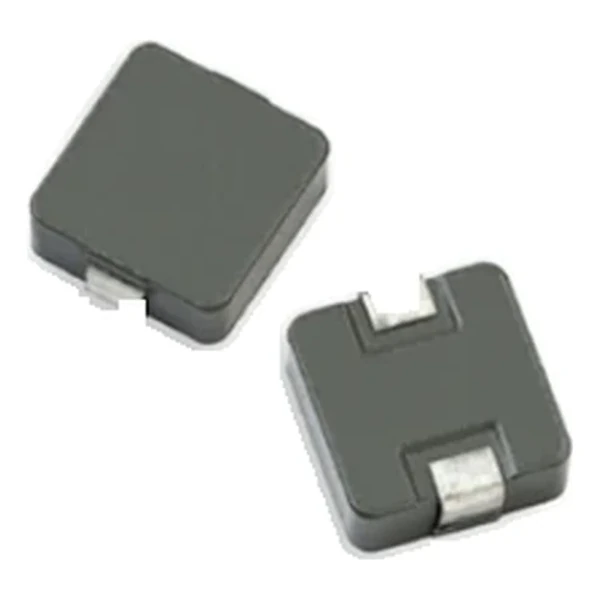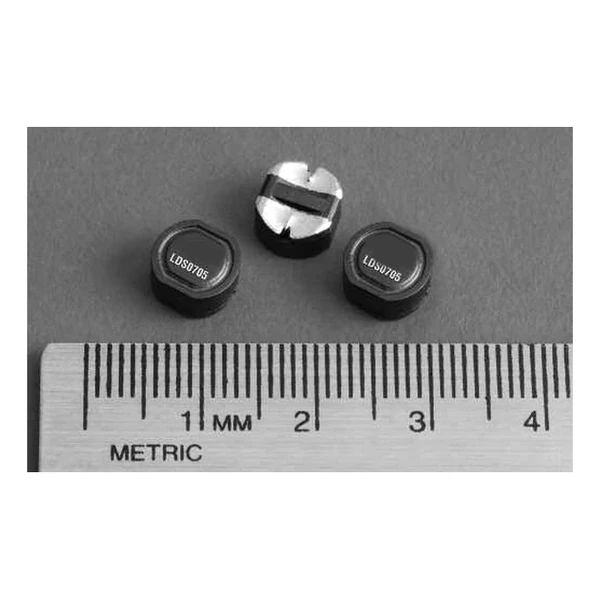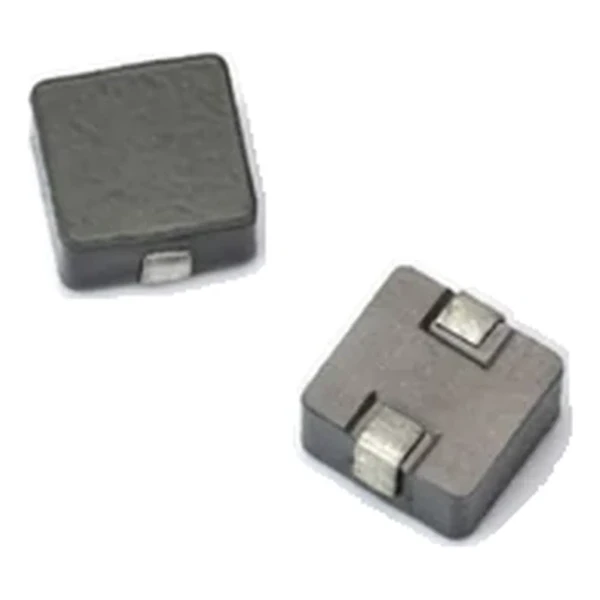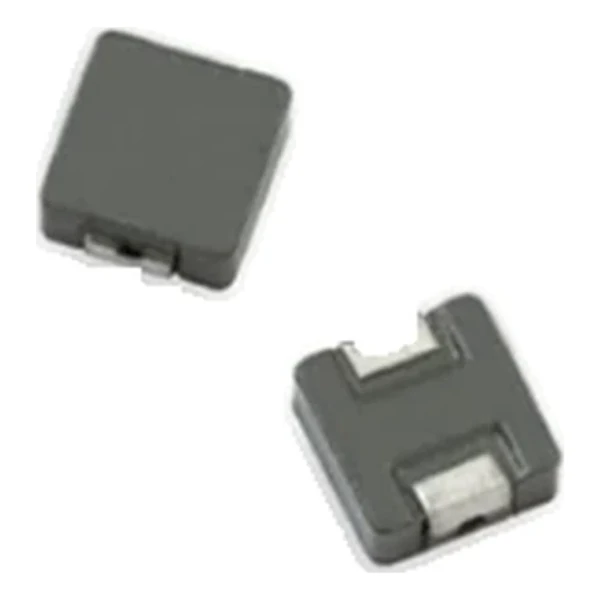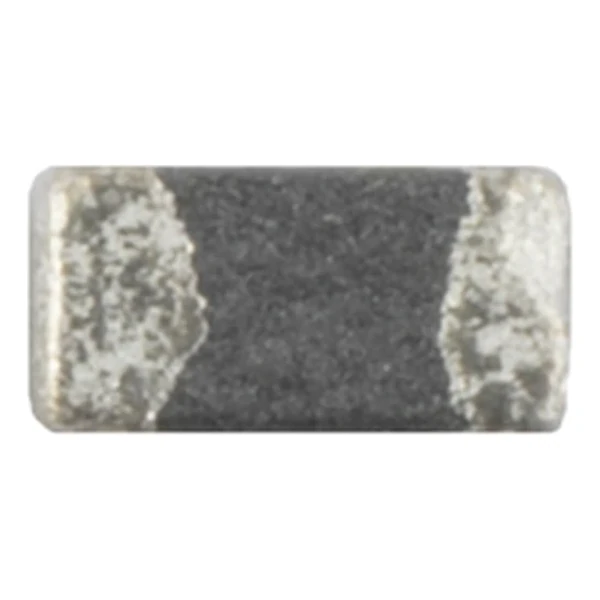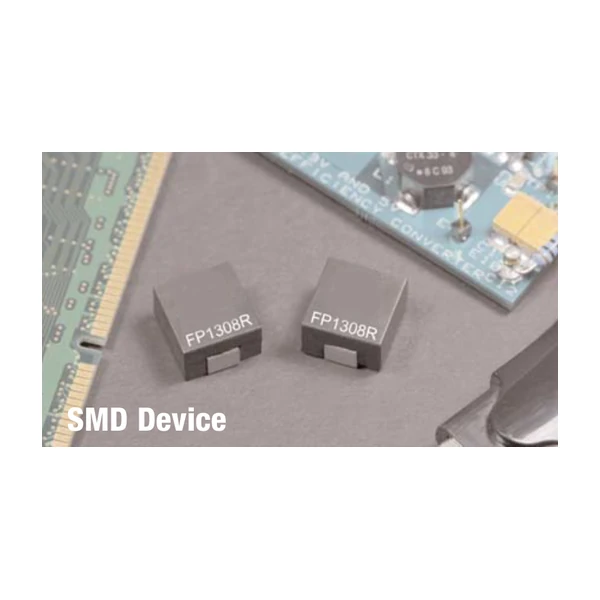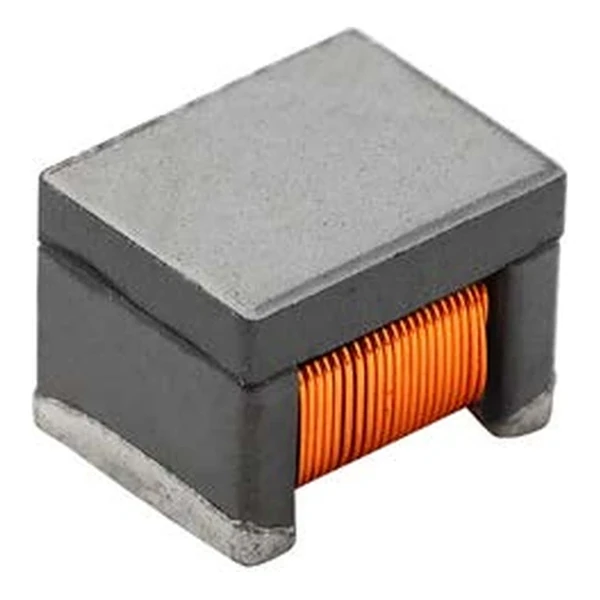
Eaton PCA2V3223-4R7-R 4.7 uH PoC Inductor, Isat 720 mA
- Product Details
- Download
Eaton PCA2V3223-4R7-R 4.7 uH PoC Inductor, Isat 720 mA
Electrical Specifications
| Parameter | Value |
|---|---|
| Orderable part number | PCA2V3223-4R7-R |
| Inductance | 4.7 uH ±20% |
| DCR typical @ +20 °C | 100 mOhm |
| Irms (DC, 40 °C rise) | 1500 mA |
| Irms2 | 1400 mA |
| Irms3 | 1300 mA |
| Isat | 720 mA |
| Isat2 | 650 mA |
| Isat3 | 600 mA |
| Mounting | Surface mount |
| Operating temperature | -55 °C to +150 °C |
| Qualification | AEC-Q200 |
| RoHS | Compliant, -R suffix |
| Data sheet | Eaton Technical Data ELX1351 |
Dimensions and Pad Layout

Drawing reproduced from Eaton Technical Data ELX1351: outline with
rated mm dimensions, pad layout and marking.
The Figures Explained
This is a chip inductor built for power-over-coax circuits: small value, low DCR, and characterised for saturation and rated current at several temperatures because the part sits in a module that heats up.
At 1500 A the winding dissipates about 225000 W in copper using the typical DCR of 100 mOhm. That is the DC floor of the loss budget – ripple and core loss come on top.
The core stores about 1218 nJ at the saturation point, which is the energy available to bridge a load step.
Within the PCA2V3223 family this is value 2 of 4, in a range from 2.2 uH to 15 uH.
Where This Series Fits
The PCA family is the power-over-coax range: small chip inductors for bias-tee circuits in automotive camera and radar links, characterised at multiple temperatures.
- The bias current and the RF power share the same winding. Check the saturation margin against the sum, not just the DC component.
- Typical applications: adas camera; srr (short range radar); lidar (light detection and ranging); vehicle communications; autonomous driving (3d mapping).
- Design note: the impedance at the link frequency matters more than the inductance value on the label.
Frequently Asked Questions
What does a PoC inductor do in a camera link?
It separates DC bias from the RF signal on a shared coax: it passes the DC with low loss and presents a high impedance to the RF band.
What does a PoC inductor do in a camera link?
It separates DC bias from the RF signal on a shared coax: it passes the DC with low loss and presents a high impedance to the RF band.
Why are Isat and Irms given at several temperatures?
The part sits in a module that heats up, and both the magnetic and the thermal limits move with temperature. The table lets the bias network be closed at the hot corner.
Shenzhen Gaorunxin Technology Co., Ltd
Online message
Shenzhen Gaorunxin Technology Co., Ltd