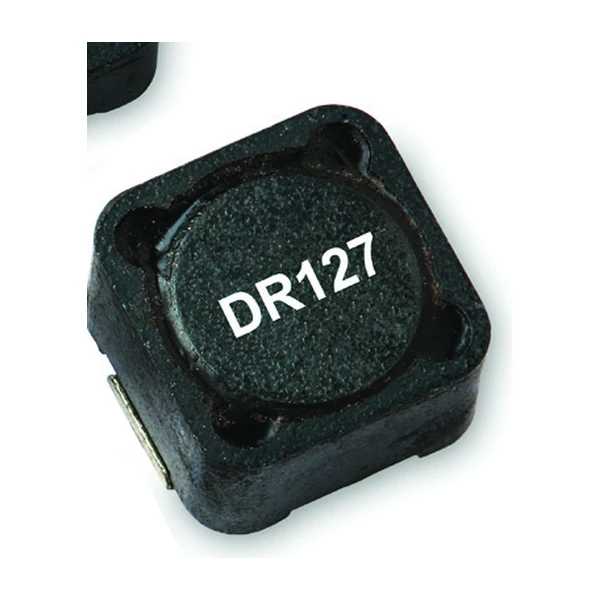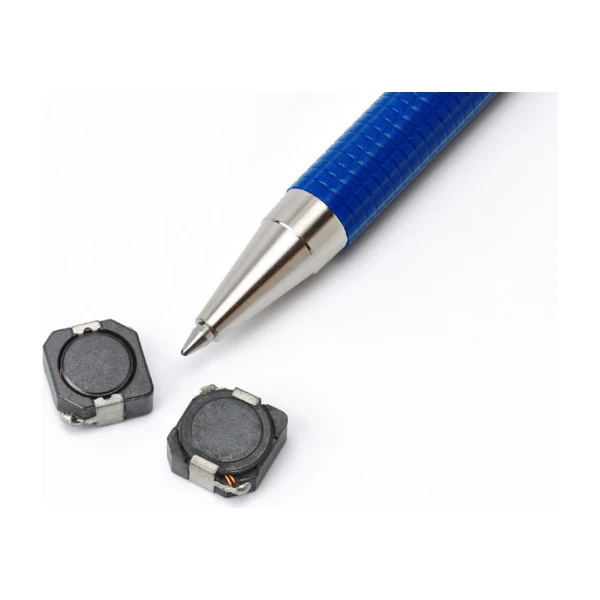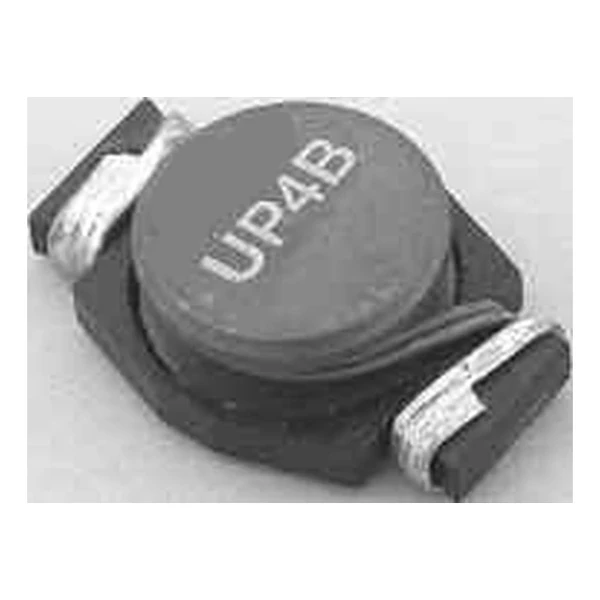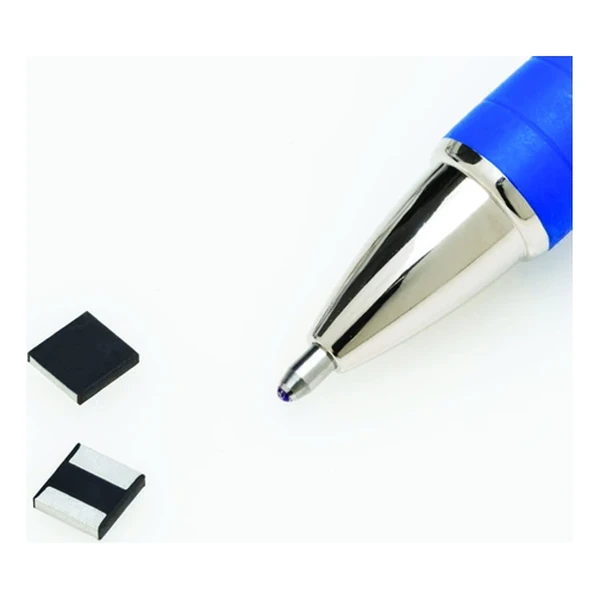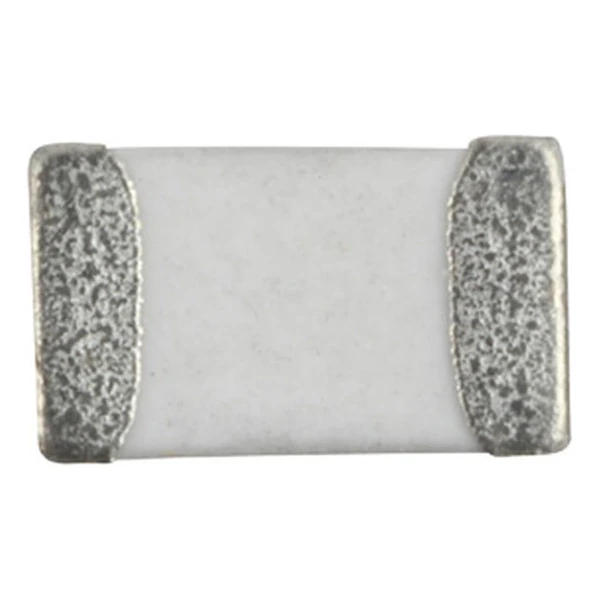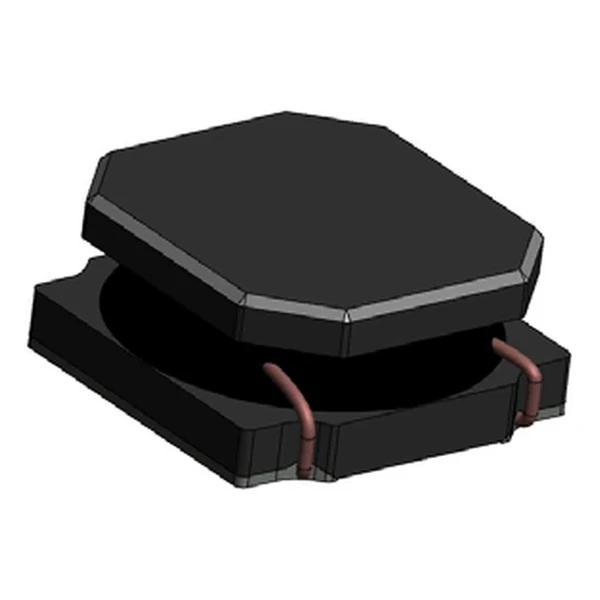
Eaton SDCH1V5020-330M-R 33 uH Power Inductor 390 mOhm
- Product Details
- Download
Eaton SDCH1V5020-330M-R 33 uH Power Inductor 390 mOhm
Specification Table
| Parameter | Value |
|---|---|
| Orderable part number | SDCH1V5020-330M-R |
| Inductance | 33 uH ±20% |
| FLL minimum (at Isat) | 17.2 uH |
| DCR typical @ +20 °C | 390 mOhm |
| DCR maximum @ +20 °C | 449 mOhm |
| Irms (DC, 40 °C rise) | 0.9 A |
| Isat | 1 A |
| Mounting | Surface mount |
| Operating temperature | -40 °C to +125 °C |
| Qualification | Commercial grade |
| RoHS | Compliant, -R suffix |
| Data sheet | Eaton Technical Data ELX1033 |
Dimensions and Pad Layout

Drawing reproduced from Eaton Technical Data ELX1033: outline with
rated mm dimensions, pad layout and marking.
The Figures Explained
This is a semi-shielded SMD power inductor, characterised with both typical and maximum DCR and with separate Irms and Isat columns. The construction is aimed at converters where the board is compact but not densely packed with magnetics.
At 0.9 A the winding dissipates about 0.316 W in copper using the typical DCR of 390 mOhm. That is the DC floor of the loss budget – ripple and core loss come on top.
The core stores about 16.5 uJ at the saturation point, which is the energy available to bridge a load step.
Within the SDCH1V5020 family this is value 10 of 17, in a range from 1 uH to 680 uH.
What This Family Is For
The SDC family is the semi-shielded range: low-profile SMD inductors from about 2 mm to 6 mm, aimed at compact DC-DC converters where a full shield is not needed.
- Semi-shielded parts radiate more than closed-shield parts. If the board fails EMC, this is one of the first components to check.
- Typical applications: dc-dc converters; switching controllers; industrial iot equipment; game consoles; portable electronics.
- Design note: semi-shielded parts are the compromise between radiated field and cost. Verify the EMC margin early.
Frequently Asked Questions
Why quote both Irms and Isat?
Because they describe different failure modes: overheating and saturation. A design has to satisfy both.
Is the inductance stable with temperature?
The tolerance is quoted over the operating range; the drift inside that band is small for a wound ferrite part.
Why quote both Irms and Isat?
Because they describe different failure modes: overheating and saturation. A design has to satisfy both.
Shenzhen Gaorunxin Technology Co., Ltd
Online message
Shenzhen Gaorunxin Technology Co., Ltd