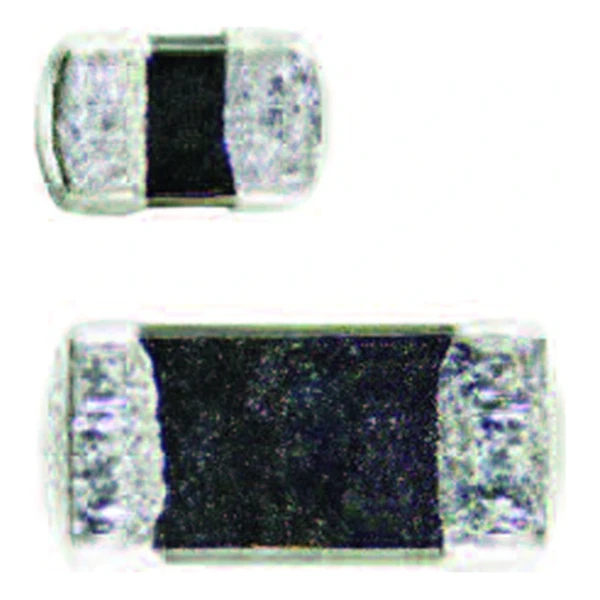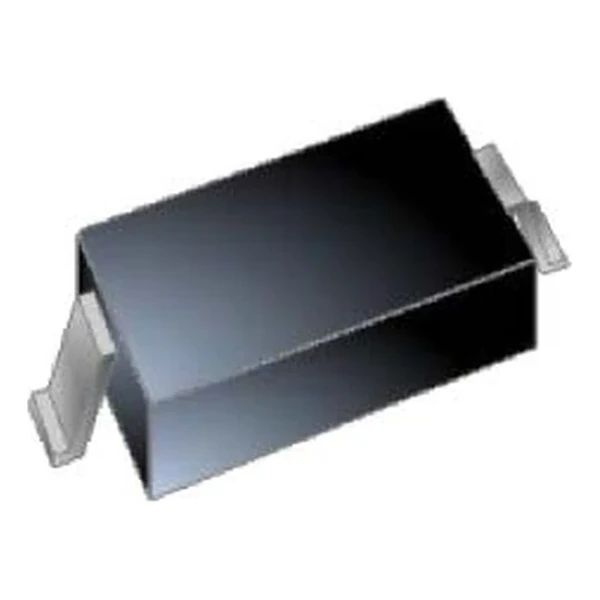
Eaton STS321150U751AH TVS Diode 15 V 350 W
- Product Details
- Download
Eaton STS321150U751AH TVS Diode 15 V 350 W
Ratings at a Glance
| Parameter | Value |
|---|---|
| Orderable part number | STS321150U751AH |
| Standoff voltage (VRWM) | 15 V |
| Breakdown voltage (min / typ / max) | 16 V / 17 V / 19 V |
| Leakage current at VRWM | 0.2 uA max |
| Peak pulse power, 8/20 us, per line | 350 W |
| Clamping voltage at 1 A | 23 V |
| Clamping voltage at 13 A | 30 V |
| Junction capacitance at 1 MHz, per line | 75 pF typ / 90 pF max |
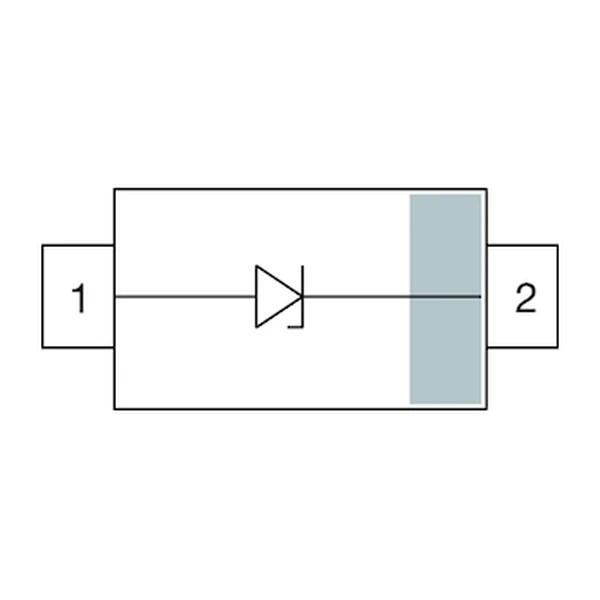
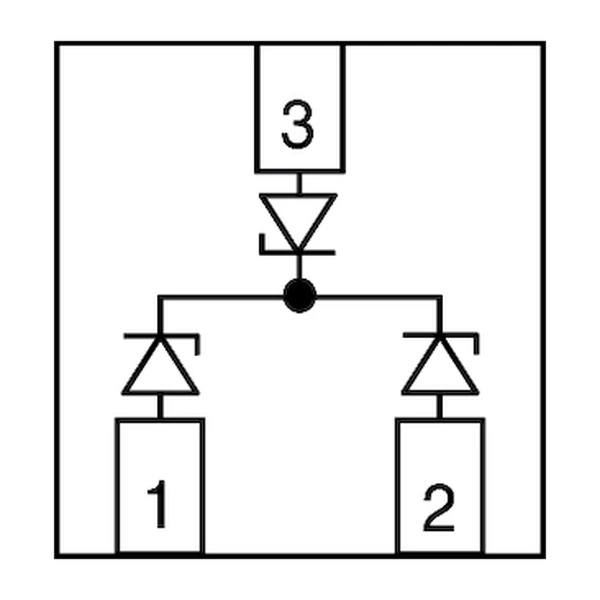
| Channels | 1 |
| Polarity | Unidirectional |
| ESD capability, IEC 61000-4-2 | +/-30 kV contact / +/-30 kV air |
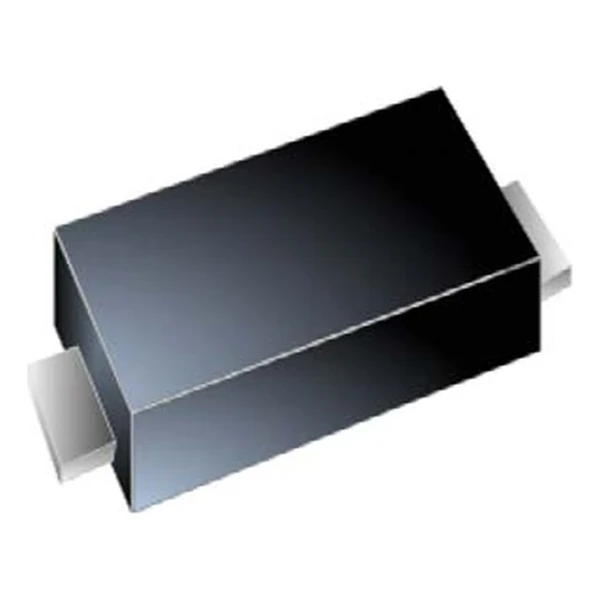
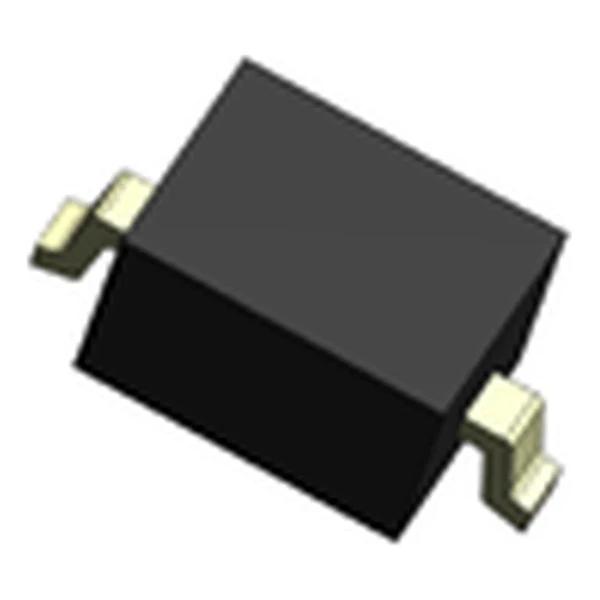
| Package | SOD-323 (S32) |
| Mounting | Surface mount |
| Moisture sensitivity level | MSL 1 |
| Operating junction temperature | -55 °C to +150 °C |
| Qualification | AEC-Q101 |
| RoHS | Compliant, halogen free |
| Data sheet | Eaton Technical Data ELX1279 |
The outline drawing, pad geometry, derating curves and the pulse
waveform are on the pages of Eaton Technical Data ELX1279. Values above are
read directly from the electrical table for this part number, not from the family
summary.
The Figures Explained
Eaton builds these on a silicon avalanche process, so the clamp is sharp and the part recovers without the off-state drift a metal oxide varistor shows after a surge. The trade is a fixed breakdown window that the working voltage has to sit below with margin.
At 13 A the clamp sits at 30 V, or 2.00 times the 15 V standoff. The protected pin sees that figure for the duration of the pulse, so it is the one to compare with the absolute maximum in the transceiver data sheet. The 8/20 microsecond peak pulse power rating for this part is 350 W per line; the derating curve in the data sheet shortens the allowable current as the pulse gets longer.
75 pF per line is 2.1 ohms of reactance at 1 GHz and 21.2 ohms at 100 MHz. A real load on a fast line: this grade fits a slow bus or a DC rail, not a high speed data pair.
Standing at 15 V the part draws at most 0.2 uA, which is 3 uW of dissipation on the line. That is the figure that matters on a battery rail that never powers down.
A diode array is not a fuse and not a filter. It conducts for the duration of the transient, folds the pulse down to its clamping voltage, and returns to a leakage current measured in microamps. The energy it absorbs is the pulse current times the clamp, for as long as the pulse lasts.
Placement in the Circuit
Mount the array on the connector side of any series part, with the ground pin dropped straight into the connector ground plane. The trace from the pin to the array is the only path the discharge takes before the transceiver sees it, so its inductance is part of the clamp.
- ESD ratings are per IEC 61000-4-2 with the part as the first element the discharge meets. A connector shell or a mounting post that offers an easier path takes the strike instead, and the array never conducts.
- Breakdown is specified at 1 mA. The spread between minimum and maximum is production tolerance, so the design margin is measured from the minimum, not the typical.
Frequently Asked Questions
What happens if the surge exceeds the rating?
The junction overheats and fails short, which then applies the fault current to the board. A fuse or a series resistor ahead of the array is part of the protection scheme, not an accessory.
Why does the clamp voltage differ from the breakdown voltage?
Breakdown is measured at 1 mA. The clamp is measured at the pulse current, which can be tens of amps, and the difference is the dynamic resistance of the junction multiplied by that current.
How many of these parts survive repeated strikes?
The IEC 61000-4-2 rating is a qualification level, not a life count. The part is expected to take the strike repeatedly at the rated level because the energy per event is small, but a higher level shortens that life.
Shenzhen Gaorunxin Technology Co., Ltd
Online message
Shenzhen Gaorunxin Technology Co., Ltd